
Hoodie weight isn’t a single fixed number—it depends on fabric GSM, size, lining, zipper vs. pullover construction, and trims like drawcords. Most everyday hoodies land in a predictable range, and once you know the fabric weight, you can estimate shipping weight and “feel” (light, mid, heavy) with good accuracy. Below is a practical breakdown used by HoodieOEM for production planning and customer specs.
Video Guide: This explains hoodie fabric GSM choices and how they translate into real-world thickness and weight.
What is Hoodie?
A hoodie is a knit sweatshirt-style top with an attached hood, typically made from fleece or French terry, designed for warmth and casual layering. Its overall weight comes from fabric GSM, pattern size, and added components (hood, pocket, rib, zipper). In production, “hoodie weight” is usually discussed as fabric weight plus finished garment weight.
Video Guide: This review gives a practical reference point for what a “perfect weight” hoodie feels like in use.
Core components that add weight
A hoodie’s finished weight is the combined mass of fabric panels and attached trims. Even when two hoodies use the same GSM, differences in construction can change the final weight noticeably.
- Body fabric: fleece or French terry (largest share of mass)
- Hood: often double-layered, adding meaningful weight
- Pocket: kangaroo pocket or welt pockets add extra fabric
- Rib cuffs/hem: dense rib knit can add more than expected
- Hardware (if applicable): zipper, zipper tape, metal ends, eyelets
- Drawcord: cotton/poly cord and tips add small but measurable weight
- Labels/patches/embroidery: varies from negligible to significant
HoodieOEM Pro Tip: When comparing hoodies, ask for both fabric GSM and finished garment weight—GSM alone won’t tell you if the hood is double-layered or if there’s heavy rib and hardware that changes the true “heft.”
How Does Hoodie Work?
A hoodie “works” by trapping warm air close to the body through knit structure and brushed/looped interiors, while the hood reduces heat loss from the head and neck. Heavier hoodies generally insulate better because thicker fabrics hold more air, but fit, layering space, and wind resistance also matter for real warmth and comfort.
Video Guide: This shows how material and hood design changes affect function and perceived warmth.
Thermal performance drivers (beyond just weight)
Weight correlates with warmth, but it’s not the only lever. A lighter hoodie with better yarns or tighter knit can outperform a heavier, more open construction in wind.
- Fabric type: brushed fleece is warmer than many terries at the same GSM
- Knit density: tighter = less airflow, better wind resistance
- Interior finish: brushing increases loft and insulation
- Fit: room for a base layer improves warmth without needing extreme GSM
- Construction: double-layer hood, neck tape, and rib quality affect comfort and heat retention
HoodieOEM Pro Tip: If the goal is warmth without bulk, specify mid-heavy GSM + brushed interior + tighter knit density—it often feels warmer than simply jumping to ultra-high GSM.
How much does a hoodie weigh in pounds?
Most standard adult hoodies weigh about 1.0–1.8 lb (0.45–0.82 kg). Lightweight hoodies often fall around 0.8–1.1 lb, midweight around 1.1–1.6 lb, and heavyweights can reach 1.6–2.5 lb depending on fleece thickness, size, and whether there’s a zipper and double-layer hood.

Typical finished hoodie weight ranges (lb)
Based on our internal data and market analysis, here is the breakdown:
| Hoodie category | Common fabric (GSM) | Typical men’s M weight (lb) | Notes |
|---|---|---|---|
| Lightweight | 240–320 | 0.8–1.1 | Best for layering/indoors |
| Midweight | 330–420 | 1.1–1.6 | Most “everyday” hoodies |
| Heavyweight | 430–550 | 1.6–2.1 | Noticeably warm/hefty |
| Ultra-heavy | 600–1000+ | 2.1–3.5+ | Niche, fashion or extreme comfort |
HoodieOEM Pro Tip: For shipping estimates, add 0.1–0.2 lb to the garment weight to account for a polybag, labels, and outer carton allocation—this reduces surprise DIM/scale adjustments.
How much does a hoodie weigh in kg?
A typical hoodie weighs around 0.45–0.82 kg for standard adult sizing. Lightweight styles often land near 0.35–0.50 kg, midweight around 0.50–0.75 kg, and heavier fleece hoodies commonly reach 0.75–1.10 kg. Oversized cuts, zippers, and double-layer hoods push the total upward.
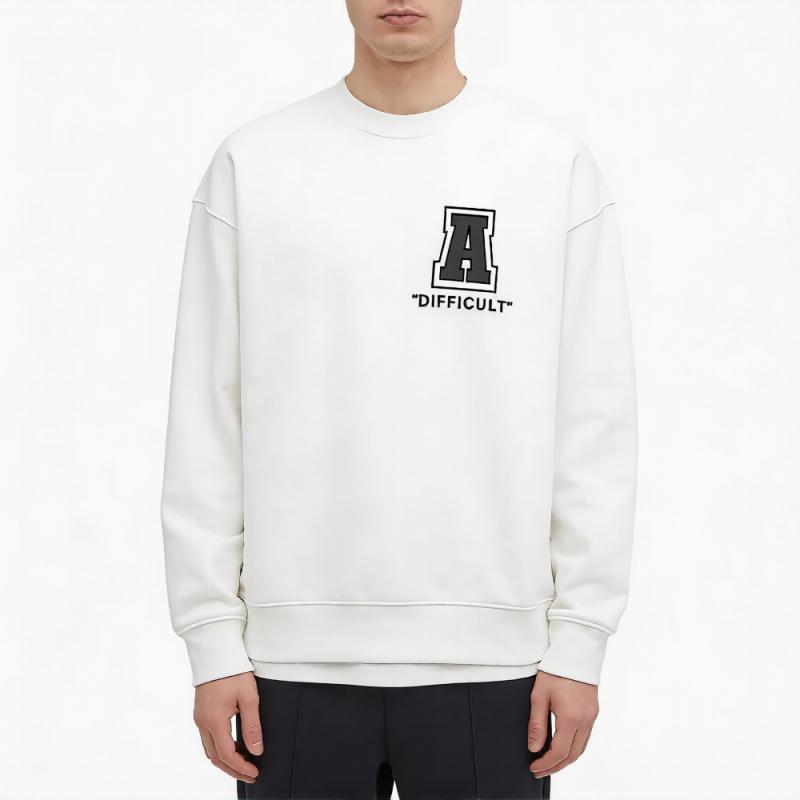
Quick kg guide by common build choices
- Pullover vs. zip: zip hoodies are commonly +0.05 to +0.15 kg
- Double-layer hood: often +0.05 to +0.12 kg
- Oversized pattern: can be +0.08 to +0.25 kg depending on grading
- Embroidery/patches: varies, but dense embroidery can add +0.01 to +0.05 kg per area
HoodieOEM Pro Tip: If you’re targeting a specific “premium weight” feel in kg, lock both GSM and finished weight tolerance (e.g., 0.72 kg ± 0.05 kg in size M) to keep bulk production consistent.
Is 10 oz heavy for a hoodie?
“10 oz” can mean two different things: fabric weight per square yard (oz/yd²) or total garment weight. If it’s fabric weight, 10 oz/yd² is typically midweight to slightly heavy and feels substantial. If it’s the whole hoodie weighing 10 oz total, that’s extremely light and unusual for an adult hoodie.
Video Guide: This compares extreme GSM hoodies and helps calibrate what “heavy” really means in fabric terms.
How to interpret “10 oz” correctly
Based on our internal data and market analysis, here is the breakdown:
| “10 oz” refers to… | What it means | Hoodie feel | What to ask for next |
|---|---|---|---|
| 10 oz/yd² fabric | Fabric mass standard used in blanks | Midweight to heavier everyday | Ask for GSM and fleece/terry type |
| 10 oz total garment | Entire hoodie weighs 283 g | Very light; likely not a true hoodie | Confirm size, garment type, and whether it’s a tee/hooded top |
| 10 oz fleece (marketing) | Sometimes loosely stated | Variable | Request spec sheet: GSM + finished weight |
HoodieOEM Pro Tip: When a supplier says “10 oz hoodie,” I always reply: “Do you mean oz/yd² fabric or finished garment weight?” That one clarification prevents most spec mismatches.
Key Features & Comparison
Hoodie weight is primarily driven by fabric GSM and pattern volume, while comfort is shaped by knit density, interior finish, and construction details like hood layers and rib. Comparing hoodies correctly means evaluating both measurable specs (GSM, finished weight) and build choices (zipper, pocket, brushing). Use the table below to match weight targets to real-world use.

Side-by-side hoodie spec comparison for decision-making
Based on our internal data and market analysis, here is the breakdown:
| Feature | Lightweight Hoodie | Midweight Hoodie | Heavyweight Hoodie | Ultra-heavy Hoodie |
|---|---|---|---|---|
| Typical GSM | 240–320 | 330–420 | 430–550 | 600–1000+ |
| Typical finished weight (size M) | 0.35–0.50 kg | 0.50–0.75 kg | 0.75–1.10 kg | 1.10–1.60+ kg |
| Best use | Indoor, spring/fall | Daily wear, branding | Cold weather, premium feel | Niche statement, maximum heft |
| Comfort feel | Light, flexible | Balanced | Dense, warm | Very bulky, “armor” feel |
| Common risks | Too thin/see-through | Few | Shrinkage if unmanaged | Stiffness, high shipping cost |
| Branding suitability | Light prints | Prints + embroidery | Embroidery/patch-friendly | Embroidery + heavy appliqué |
HoodieOEM Pro Tip: For most brands, the safest “premium” spec is 380–450 GSM with a controlled shrink program—customers feel the weight, but you avoid ultra-heavy shipping costs and stiffness complaints.
Cost & Buying Factors
Hoodie pricing and value depend on fabric GSM, yarn quality, shrink control, and construction complexity (zipper, double hood, embroidery). Heavier hoodies cost more not only from extra fabric, but also from longer sewing time and higher shipping. For buying, focus on GSM + finished weight, fabric composition, shrinkage targets, and consistent grading across sizes.
What to check before ordering (practical checklist)
- Fabric GSM + composition (e.g., 80/20 cotton/poly vs. 100% cotton)
- Finished garment weight by size (S–XXL, not just one sample)
- Shrinkage standard (after wash: length/width targets)
- Construction choices (zip vs pullover, hood layers, pocket type)
- Rib spec (weight/density; affects hem/cuff durability and feel)
- Branding method (print vs embroidery; impacts hand feel and weight)
- Packaging & shipping (polybag, carton packout, freight method)
HoodieOEM Pro Tip: If you’re comparing quotes, standardize the spec first: same GSM, composition, hood layer, zipper brand, and shrink standard—otherwise you’re not comparing the same hoodie, just the same silhouette.
Conclusion
Hoodie weight is best understood as a range: most adult hoodies sit around 1.0–1.8 lb (0.45–0.82 kg), with “heavyweight” builds commonly above that depending on GSM, size, and hardware. If you share your target use (streetwear, workwear, athletic layering) and preferred fit, HoodieOEM can recommend an appropriate GSM and a finished-weight target for consistent production.