
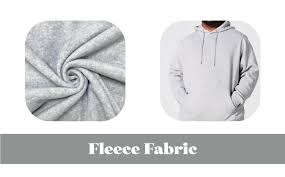
A fleece hoodie is a soft, warm pullover or zip-up made from brushed polyester fleece to keep you cozy in cool or cold weather. You grab it on sluggish mornings, quick gym dashes, and late-night cram-a-thons because it retains heat without weighing you down. Your fleece hoodie dries fast after a sprinkling, layers easily under a jacket, and usually sports a roomy hood and front pocket to stash your hands or phone. You wear it like a staple of your weekday wardrobe, not just the weekend. In the following sections, you’ll learn how to select the appropriate fleece weight, fit, and features so that your next hoodie fits your real life.
What is a Fleece Hoodie?
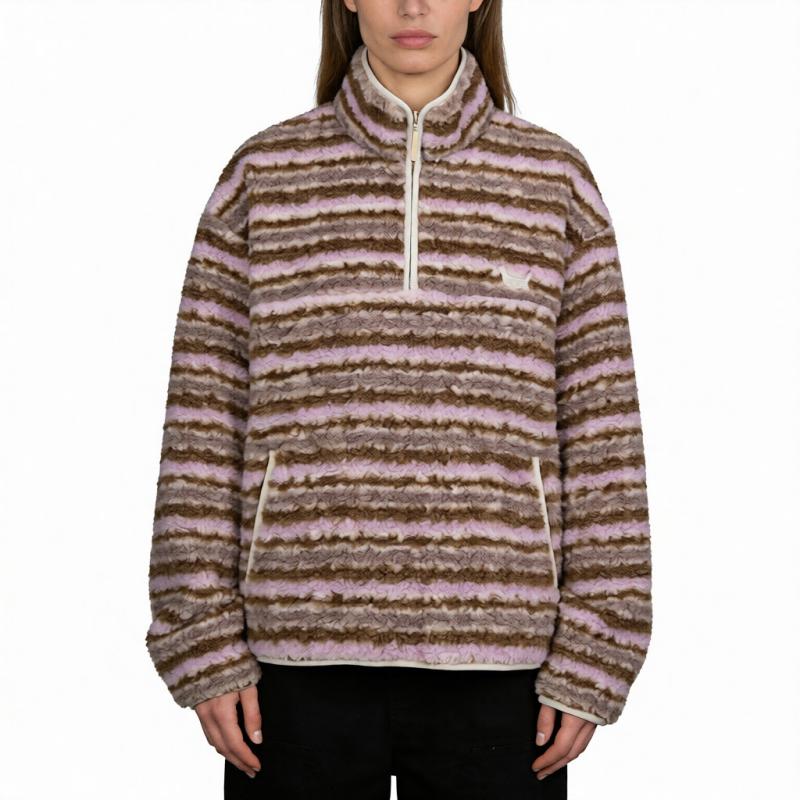
A fleece hoodie is a hooded sweatshirt constructed of pile-like fleece fabric, typically polyester, featuring a soft, brushed inner that retains warm air. You spot it in pullover and zip-up versions, worn by men and women as casual attire, gym wear, and even work uniforms during the colder months. Today, most fleece hoodies utilize sustainable materials, such as recycled content or blends incorporating US cotton, with many brands providing customizable hoodies for teams, businesses, or events.
1. The Fabric
Fleece has woven into our North American vernacular and it’s easy to see why. That pile is what traps warm air near your body but still allows the material to breathe, so you’re warm but not stifled. It was developed initially as Polarfleece in the 1980s to mimic the warmth of wool without the itch. When considering fleece options, many people gravitate towards fleece hoodies or fleece pullovers made from certified products, ensuring comfort and quality.
Just think of sweatshirt fleece, polyester fleece, and traditional cotton hoodie fabric as cousins. Sweatshirt fleece is usually cotton-rich, thicker, and smoother on the outside, with a looped or brushed interior. One hundred percent polyester fleece feels lighter, dries faster, and handles sweat better, which is why you find it in hiking or running hoodies. A regular cotton hoodie feels great but absorbs moisture and dries sluggishly, so it is snuggly but unfit for active days.
Quality fleece wicks moisture away from your skin, which is a boon when you wear it to play sports, commute, or work outdoors. That is why outdoor workers and winter uniform programs often pick mid-weight polyester fleece. It stays warm, dries fast, and holds up to daily use.
You’ll discover sherpa fleece (super fluffy and wool-like), sweater fleece (tighter knit, more “jacket” look), and recycled polyester fleece, which repurposes plastic bottles. All share the same goal: durable structure, warmth, and a comfortable texture while promoting sustainability features in textiles production.
2. The Feel
You feel the fleece hoodie the moment you slip it on. The interior is typically a cozy, brushed surface that rests soft against your skin, meaning you can rock it over a tee or even a tank without a single scratch. That soft touch is what made fleece a go-to for wool haters who still wanted genuine warmth. Fleece pullovers made from US cotton often come with trusted certifications, ensuring quality and sustainability features for the environmentally conscious consumer.
Not all fleece hoodies feel equal. Thin, lightweight fleece feels soft and effortless to move in, perfect for indoor wear or temperate days. Mid-weight fleece strikes the perfect balance for most folks, providing you with both excellent warmth and good breathability. Heavyweight fleece can feel like a soft armor of warmth, better for cold mornings, outdoor shifts, or long days in a chilly office, especially when made with responsible farming practices and recycled content.
Your perfect fleece hoodie will provide coziness and freedom of motion. You should be able to commute, work at a desk, or stretch at the gym without the fabric pulling or bunching. If you put one on and forget you’re wearing it after a few minutes, that’s typically a good indicator of its quality signature.
3. The Construction
Most fleece hoodies share a few key design parts: an adjustable hood with drawcords, either a full zipper or a pullover style, ribbed cuffs and hem to hold in heat, and pockets you trust with your phone or keys. These versatile fleece pullovers may feature open hand-warmers in a pullover style or zip pockets in more technical designs, but in daily use, they count as much as the fabric used. The quality signature of these products ensures durability and comfort, making them perfect for various activities.
Build quality is what makes a hoodie last more than one season. You’ll find reinforced stitches at stress points, flat-lying clean seams, and tough trims such as YKK zippers that slide versus snag. Reinforced shoulder and pocket seams assist when you lug a backpack, tool belt, or heavy bag around every day, ensuring that these fleece hoodies meet the regulatory requirements for durability and performance.
Technical fleece hoodies add more function. Breathable mesh panels under the arms, water-repellent finishes on the outer face, or wind-resistant overlays at the chest and shoulders are those sustainability features that can transform an otherwise basic hoodie into a dependable midlayer for hiking, cycling, or working outdoors in a light drizzle.
Element | Everyday Fleece Hoodie | Technical / Outdoor Fleece Hoodie |
|---|---|---|
Hood | Basic, drawcord | Shaped hood, better coverage |
Closure | Pullover or simple zipper | High-quality zipper, storm flap sometimes |
Fabric | Standard polyester or blend | Performance fleece, often water-repellent |
Seams | Basic overlock | Reinforced, mapped for movement |
Pockets | Open kangaroo or side pockets | Zip or hidden pockets, media-friendly |
4. The Warmth
Fleece hoodies warm you effectively because the brushed fibers trap a layer of air next to your body, while your body heat warms that air. Polyester fibers accomplish this nicely without being too heavy, allowing you to feel nearly as warm in wool while remaining lighter and more agile. For outdoor workers, commuters, and anyone who endures a long winter, this balance of warmth and low weight is a significant advantage. Choosing fleece hoodies made from certified products can also enhance your comfort knowing they meet quality standards.
As you might imagine, not all fleece is created equal in terms of warmth. Lightweight fleece performs well in mild cold, air-conditioned offices, or beneath an outer shell. Mid-weight fleece is often the most versatile option, as it is warm enough for most cold days, durable, and still breathable for active movement. Heavyweight fleece, occasionally featuring high-pile or sweater fleece interiors, is ideal when confronted with frost or cold rooms without heat, providing rugged performance for challenging conditions.
You can opt for hoodies with additional insulation or linings for genuine winter wear, such as sherpa-lined bodies or wind-blocking membranes. While more layers can lead to increased weight and sometimes reduced breathability, selecting fleece hoodies with sustainability features ensures a responsible choice. When you’re seeking consistent warmth and all-day comfort through cold seasons, a wisely selected fleece hoodie will justify its closet real estate and contribute to a more sustainable wardrobe.
Why Choose Fleece?
Why Fleece? Fleece hoodies perform like a dream when you need consistent warmth without the bulk. The material mimics wool’s warmth but remains lightweight, supple, and comfortable to move in. You can wear it to the office, on a flight, or on a lazy day around the house without feeling bogged down. Fleece pullovers are particularly versatile for various occasions.
A quality fleece hoodie provides an excellent warmth-to-weight ratio. You’re warmer than in a cotton hoodie of equal thickness. While cotton retains moisture, resulting in a cold and heavy garment when soaked, fleece dries quicker and retains more of its loft when wet. This durability is why outdoor laborers, winter school uniforms, and outdoor enthusiasts choose fleece instead of regular blends, particularly when looking for trusted certifications in their clothing.
You receive hearty breathability. New fleece can be knit to capture warm air next to your skin and at the same time allow excess heat and sweat to pass to the outside. On a winter hike or a long walk to the train, you’re warm when you stop, but not overheated the moment you start again. This balance makes fleece a common mid-layer for hiking, skiing, and camping: a thin base layer under it, a shell jacket over it, and you can handle a wide range of weather.
Fleece easily fits into nearly every part of your day. A light fleece hoodie is great for indoors during mild seasons when a thick sweater would be too much. A mid-weight style pairs well with jeans or joggers for errands, school, or office commutes. Heavyweight fleece is ideal for deep winter, either beneath a coat or worn solo in dry cold. Best of all, because fleece comes in many fabric weights, you can build a minimal hoodie wardrobe that covers spring mornings, cool fall nights, and full-on winter.
Care and cost tips lean in your direction. Synthetic fleece and blends with polyester, cotton, or a touch of spandex can take repeated washing, hold their shape, and resist pilling better than many pure wool or cotton knits. You get stretch that moves with you, smooth comfort, no wool itch, and styles that look so clean for everyday wear without breaking the bank. Choosing options with responsible farming practices ensures you contribute to sustainability features in textiles production.
Selecting Your Perfect Hoodie

Lifestyle is the first consideration when choosing a fleece hoodie. Think about your daily activities—commuting, working outside, training, or relaxing—and let that guide your purchase of certified products rather than buying into hype.
By Activity
Begin by identifying your primary use case. Are you going to wear your hoodie to the gym, hiking on the weekends, or to the office? That single response slashes your choices in half immediately and saves you from snagging something stylish that just hangs in your closet.
For active days—running, hiking, gym workouts—lightweight fleece pullovers made from US cotton are your best bet. Seek out midweight fabrics of about 280 to 320 grams per square meter so you stay warm, but don’t overheat. A cotton–polyester blend such as 60/40 or 80/20 provides you softness and shape-holding ability and dries quicker than 100% cotton. Technical fleece with moisture-wicking panels is smart if you sweat a lot or train hard because it pulls sweat off your skin so you stay less clammy during intervals or draws.
If you’re working outdoors, skiing, or just doing long cold commutes, you need more weight. Hoodies in the 320 to 350 GSM range are a great middle ground for casual wear, whereas 400 to 600 GSM is more of a lightweight fleece armor against wind and cold. Combine that with a full-zip design and you can pop it open during breaks or indoors without removing layers.
A quick way to match a hoodie to an activity is a lightweight pullover for running and indoor workouts, a midweight full-zip for commuting and travel days, and a heavyweight fleece or insulated hoodie for snow trips, outdoor jobs, or long time outside. Look for options that feature trusted certifications to ensure you’re making a responsible purchase.
By Climate
Climate determines how heavy your fleece should be. If you live somewhere cold, midweight or heavyweight fleece makes sense, particularly if you walk or bike a lot. For mild weather, a lighter fabric and a looser fit feel more breathable and easier to wear over a T-shirt.
Wet or variable weather demands quick-dry or water-repellent fleece. A polyester-rich blend deals with drizzle and light rain better than pure cotton. Seek out responsible sourcing tags such as GRS (Global Recycled Standard) on recycled polyester or U.S. Cotton Trust Protocol on cotton so you’re assured the sustainability fabric story is legitimate, not just marketing.
Here is a simple climate chart you can keep in mind:
Climate / Use | Blend & GSM suggestion |
|---|---|
Mild indoor / layering | 60/40 cotton‑poly, 250–300 GSM |
Cool everyday wear | 80/20 cotton‑poly, 320–350 GSM |
Cold outdoor / work | Poly‑rich fleece, 400–500 GSM |
Wet / variable weather | Quick‑dry poly fleece, 280–350 GSM |
By Feature
It’s these features that transform a nice hoodie into one that actually suits your life. Begin with the fit. Take your chest measurement around the fullest part, tape flat and level. When you test the hoodie, you should be able to pinch 2 to 5 centimeters of fabric at your side. More fabric means it is baggy, while less fabric means it is tight. Check the back in a mirror. Shoulder seams should sit near the edge of your shoulders and not slide down your arms.
Then examine the fabric tag and construction. Cotton, fleece, French terry, and blends all feel different. Fleece and poly blends remain light and warm. Heavyweight cotton blends provide structure and shape hold. If it’s 100% cotton and not pre‑shrunk, it’ll pull in after a hot wash, so size up if you want some breathing space. Check seams at shoulders and armholes. Double stitching here outlasts the 20 to 30 wash limit where single seams often begin to split.
Think about small details you use every day: adjustable hood that stays up in the wind, secure zipper pockets for phone and keys, full-zip front for quick layering, soft zipper guard at the chin, and ribbed cuffs and hem that do not go loose too fast. A simple checklist helps you sort choices fast:
Size and fit feel right after measuring
GSM and fabric blend match your climate and activity
Full‑zip or pullover style suits how you layer
Pockets are deep, secure, and useful for your stuff
Hood adjusts well and stays in place
Seams feel strong; fabric label shows trusted standards
Beyond the Basics
You already know a fleece hoodie is cozy and convenient, but understanding how textiles production, ethical certifications, and cost affect the final product is essential for making informed purchases.
Material Evolution
Fleece hoodies originally began as a softer, lighter-weight alternative to wool sweaters. Early iterations were basic cotton or cotton-poly blends, great for temperate days but weighed down when damp and a drag to dry. As brands like Beyond the Basics expanded their lineup of styles, you started to see fleece pullover options with lighter knits, brushed linings, and mixed materials that felt less bulky but still warm.
Polyester was a game changer in textiles production. Once mills figured out how to spin thinner filaments and brush the surface, you got that plush, “cloud” feel with better insulation for the weight. Microfleece is woven from very fine fibers, so a mid-weight hoodie traps warm air just like a thick cotton one. It dries much faster after a sweaty spin class or wet bike ride home, enhancing comfort and performance.
More recently, recycled polyester and GRS yarns have gone from ‘niche’ to normal. A lot of fleece hoodies these days are made with a combination of recycled bottles and organic or sustainable cotton, not to mention lower-impact dyeing that uses less water and safer chemicals. A store such as Beyond the Basics can blend cotton, polyester, and fleece knit in one collection, so you can choose the combination of softness, structure, and stretch that suits your lifestyle.
Key milestones in fleece fabric development include the adoption of responsible farming practices and the use of certified products that meet regulatory requirements. These advancements ensure that the materials used in fleece hoodies not only provide durability but also contribute positively to the environment and human health.
Shift from heavy wool to cotton knits for comfort
Adoption of synthetic polyester fleece for lighter warmth
Use of microfibers for softer hand and better insulation
Introduction of recycled polyester and GRS‑certified fibers
Growth of eco‑dyeing and more skin‑friendly finishes
Ethical Choices
If you care what touches your skin, you probably care how it was made. When you select a fleece hoodie, you can seek out sustainable cotton and certified products like recycled polyester, ensuring they steer clear of unregulated chemicals rather than selecting simply by color or logo. The Oeko-Tex Standard 100 tests fabrics for harmful substances, while the GRS traces recycled material through the supply chain, enhancing the sustainability features of your choice.
Name tags are so helpful! The U.S. Cotton Trust Protocol emphasizes cotton cultivated with responsible farming practices, promoting more transparent water, soil, and traceability criteria. When a hoodie checks off more than one of these certifications, you get a stronger clue that the boast is more than advertising.
Ethics reach beyond cloth. Supply chain transparency means the brand can tell you where the yarn was spun, where the fleece pullover was sewn, and under what conditions. That means worker pay, safety, and reasonable hours, which differ significantly from factory to factory.
You’re not requested to unravel the entire industry. You can support brands that share factory lists, publish impact reports and speak candidly about environmental targets. Even if a store such as Beyond the Basics offers both basic and dressier pieces, your support for the more responsible line speaks volumes.
Price vs. Performance
Fleece hoodies extend beyond basic blanks at wholesale to high-end technical layers, showcasing their versatility. You can find that spectrum in stores like Beyond the Basics, where a simple fleece pullover might hang next to a more fashion-forward, dressy hoodie that works in semi-formal environments. Prices can begin around $20 and go over $60. Some consumers adore the fit and fashion, while others think the leap too difficult to warrant. Premium fleece hoodies often feature certified products made from us cotton, ensuring higher quality and sustainability features.
Cheap hoodies tend to employ plain cotton-poly fleece, single-needle seams, and plain rib cuffs. They’re fine for lounging or quick trips to the store, but they can pill easier, lose shape, or weigh you down if they get wet. The premium options charge more for denser knit, smoother microfleece, and better zippers. This results in cleaner finishing and more refined fits that eliminate that boxy, hit-or-miss sizing so many shoppers complain about, especially in the context of responsible practices in textiles production.
If you’re wearing a hoodie now and then, you may not require best-in-class material. For daily commuters, frequent travelers, or anyone who layers for outdoor sports, the extra cost can pay off in warmth to weight ratio, long-term shape, and fewer replacements over time.
Price range (USD) | Typical features | Best for |
|---|---|---|
$20–$35 | Basic cotton/poly, simple seams, few sizes | Casual wear, backup layers |
$35–$50 | Softer fleece, better fit, more colors/styles | Daily wear, school, office casual |
$50–$70+ | Technical fleece, eco fibers, strong hardware | Travel, outdoor, long‑term use |
My Take on Styling
A fleece hoodie resides in that perfect, magical sweet spot between cozy comfort and understated swagger. You can wear it as a foundation piece, a declaration, or somewhere in the middle, depending on your mood. Crafted from US cotton and designed with sustainability features, it not only offers comfort but also aligns with responsible farming practices.
With bottoms, you have three convenient lanes. My take on styling is to pair your fleece pullover with straight or slim jeans for a tidy casual look that’s a solid in most cities and environments. I like dark denim with a grey or navy hoodie — it looks tidy when you’re going for coffee or a laid-back dinner. Joggers put you in a sportier mood. Opt for tapered joggers so you still look sharp, not sloppy. For loungewear, pair your hoodie with soft knit pants in a coordinating color. You lounge in full comfort at home, but the set still provides the put-together feel of opening the door or hopping on a quick video call.
Layering transforms that fleece hoodie’s entire attitude. Under a jacket, it becomes a smart mid-layer that spans seasons because fleece is lightweight but still warm. A black or olive green jacket over a neutral hoodie brings a little edge to a simple outfit. For more polish, layer a fitted blazer over a thin fleece hoodie made from certified products. The mix of soft fleece and sharper fabric provides a nice contrast and makes the entire look feel more considered even for a casual workspace or relaxed board meeting.
In more formal spaces, stay with muted colors and clean lines. In streetwear or weekend styles, you can swing the other direction. A statement hoodie in red, cobalt, or deep green can hang atop some basic jeans and still appear considered. Neutrals such as black, beige, and charcoal assist you in creating outfits quickly, as they combine with virtually everything you own. You can save your color for your scarf, hat, or bag instead. A wool scarf, a simple beanie, or even a metal watch are little gestures that transform a fleece hoodie into something that feels more you.
Fleece Hoodie Care
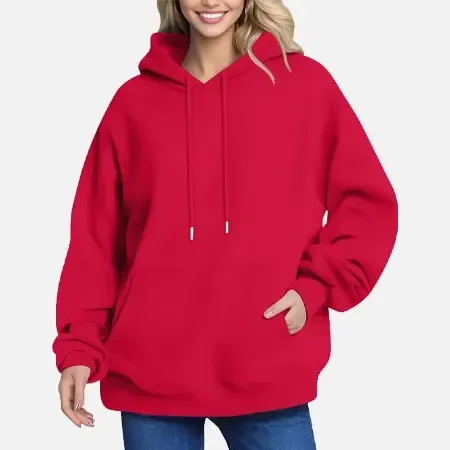
With care, your fleece hoodie will stay warm and soft while looking sharp for years to come. How you wash, dry, and store it is what separates a fleece pullover that pills and flattens in a single season from one that feels new after a dozen winters.
Washing
Fleece hoodies require a bit of attention when it comes to laundering to keep them looking fresh. Treat it well by washing it in cold on gentle, or in a little tub, so the fibers don’t break down and pill. Cold water uses way less energy; approximately 90 percent of a washing machine’s energy goes into heating water, so you reduce your carbon footprint every time you bypass the hot setting. Choosing sustainable materials helps in this effort.
Inside out, turn that hoodie before you wash it. That little layer protects the soft exterior, printed art, and any stitching from abrasion, ensuring the fleece hoodie maintains its quality signature. It keeps colors vibrant instead of fading after a few months.
When washing fleece, opt for a mild, pH-neutral detergent and ditch fabric softeners or bleach. Harsh chemicals can coat the fleece, clog its fibers, diminish its insulation, and leave it stiff rather than soft. If you’re a hand care fan, soak the hoodie in cold water and detergent for a good 20 minutes. Rinse well until the water runs clear.
Avoid contact between fleece and abrasive fabrics and hardware. Wash it with other soft garments, not with jeans or towels or clothes that have zippers and metal buttons that scrape and pill. You typically only need to launder a fleece hoodie after five or six wears unless it’s obviously soiled or sweaty.
Drying
Air drying is best for your fleece hoodie. Lay the fleece pullover flat on a clean rack or hang it so the weight is distributed evenly. This will prevent shrinkage and sagging shoulders, ensuring the durability of the fabric. This slow, gentle dry maintains the fibers lofty and soft, contributing to its rugged performance.
Fleece Hoodie Care If you have to use a dryer, avoid high heat. Go low or no heat, at 120°F (49°C) or less. High heat can melt or harden synthetic fibers and gradually destroy that fleece sensation.
With the hoodie still damp, use your hands to smooth out wrinkles and restore shape to the hood, cuffs, and hem. This fast step ensures it dries with a crisp, slick appearance, so you don’t need an iron afterwards, preserving its versatility for any occasion.
Storing
To store your fleece hoodie effectively, fold it rather than hanging it for extended periods. Hanging can stretch the shoulders and the hood, leading to marks that never really spring back. It’s best to keep it in a cool, dry location, away from sunlight or heaters, as sun exposure can fade bright colors and damp corners can invite mildew or un-washable smells. For long offseason breaks, consider tucking it into a breathable garment bag or cloth box, allowing air circulation while keeping dust and bugs at bay.
Organizing your hoodies by color, weight, or use can streamline your routine—lightweight options for training, thicker styles for freezing commutes, or versatile pieces for office days. This simple system not only transforms getting dressed into a quick task but also helps you identify any hoodie that’s in need of a good wash or minor fix.
By adopting good care habits such as gentle washing, low-heat drying, and thoughtful storage, you can preserve both the appearance and insulation of your fleece pullover. This ensures it remains your trusted layer rather than a spare piece in your wardrobe.
Additionally, using products made from sustainable materials can enhance your wardrobe’s eco-friendliness. Embracing responsible practices not only benefits your clothing’s longevity but also contributes positively to the environment.
Conclusion
A nice fleece hoodie almost tastes like a victory every morning. You throw it on. You’re toasty. You’re comfortable. No fuss.
You now know what fleece does, how to select a hoodie that matches your life and how to maintain its softness and freshness. You’ve got a couple of styling tricks to toy with. Perhaps you opt for a fresh all black morsel. Perhaps you toss on a neon fleece hoodie over faded jeans. Both are effective. Both are so real.
Learn your lesson, raid your closet, and pick out a single fleece hoodie that suits your weather, your lifestyle, and your style. Start there and construct your own go-to look.
Frequently Asked Questions
Are fleece hoodies warm enough for cold weather?
Yes. A good-quality fleece hoodie, made from US cotton, retains warmth by holding in your body heat while remaining lightweight. For really cold weather, put it beneath a wind or waterproof jacket for extra protection and coziness.
Is fleece breathable or will I overheat?
Today’s fleece fabrics, including fleece hoodies and fleece pullovers, are breathable. They allow moisture to escape and retain warmth, ensuring you stay cozy on casual days and light hikes.
What should you look for when buying a fleece hoodie?
Consider fabric weight (light, mid, or heavy), fit, zipper quality, and stitching when selecting fleece hoodies. Search for soft, non-itchy fleece and a snug hood, ensuring the fleece pullover meets your needs with features like pockets and easy-care fabrics.
How do you wash a fleece hoodie without ruining it?
Machine wash cold on a gentle cycle to maintain the quality signature of your fleece hoodies. Use mild detergent and forgo fabric softener to ensure durability and comfort.
Does fleece lose softness or pill over time?
Cheaper fleece can pill and feel scratchy, while higher quality fleece hoodies tend to resist pilling more effectively. To maintain the softness of your fleece pullover, flip it inside out before washing and avoid high heat.
Can you wear a fleece hoodie for workouts?
For light to moderate activities, choose fleece hoodies that warm and flow with you. If you’re working up a serious sweat, opt for performance fabrics that dry quicker, ensuring comfort and durability.
How can you style a fleece hoodie for everyday wear?
Wear your fleece hoodie with jeans or joggers for rugged utility. Throw on some nice sneakers and a minimalist jacket or coat on top for a versatile, dressed-up look.