
TL;DR:
The top streetwear brands in 2026 are Supreme, Stüssy, BAPE, Palace, Off-White, Carhartt WIP, Aimé Leon Dore, Corteiz, Denim Tears, and Stone Island. Streetwear is a fashion category rooted in skate, hip-hop, and Japanese subcultures that emphasizes graphic-driven casual wear, limited drops, and brand-driven scarcity.
How We Ranked These Brands (And Why It’s Not Just Hype)
Four factors went into this: cultural influence, design consistency, resale performance, and community engagement. The list relies on 2025–2026 data, not whatever reputation a brand had in 2019. Actual StockX trading volumes, recent ownership changes, real-world availability at retail.
| Ranking Criteria | Measurement Method |
|---|---|
| Cultural Influence | High-tier collaborations, named designer influence, pop-culture visibility |
| Design Consistency | Material weights (e.g., cotton GSM), hardware quality, blank sourcing |
| Resale Performance | StockX/GOAT average premium over retail for the last 12 months |
| Community Engagement | Drop day sell-out times, subreddit activity, physical store queues |
One note on the resale column: I weighted it less than people will expect. A brand can carry massive resale premiums and still be culturally cooked. The reverse is also true.
Supreme — The Blueprint Everyone Copies
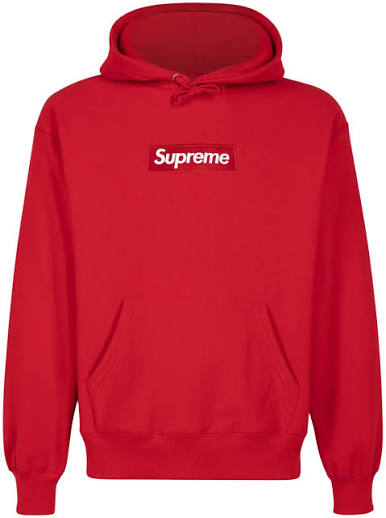
Supreme is a New York skate brand founded by James Jebbia in 1994, widely considered the most influential streetwear label of the modern era. The business reality shifted entirely in October 2024 when eyewear conglomerate EssilorLuxottica acquired the brand from VF Corporation for $1.5 billion in cash. That price was a $600 million haircut from the $2.1 billion VF paid just four years earlier in 2020, which tells you most of what you need to know about what the hype cycle did between 2020 and 2024.
Despite the corporate shuffling, the core product engine is identical to what it was. Same Thursday drops, same blanks, same calendar.
The secondary market has cooled into something healthier and frankly more accessible. Per late 2025 StockX data, the FW25 Box Logo Hooded Sweatshirt retails for $168 and carries an average resale price of $245, with colors like Light Olive and Magenta trading in the $194 to $201 range. The era of paying a grand for a basic fleece is over. The people who actually want to wear the stuff can buy it again, which honestly should have been the goal from the start.

Stüssy — The Quiet Comeback King
Shawn Stussy launched his eponymous brand in 1980 by scrawling his signature on surfboards. Forty-six years later, Stüssy operates nearly 30 stores globally and has a tighter grip on culture than brands half its age. It survived the late-2010s hype bubble by doing the thing nobody else wanted to do, which was retreat into quality basics and very selective partnerships.
The footwear strategy in particular has been sharp. In October 2025, Stüssy released a Nike collaboration reviving the Baltoro, a 1990 All Conditions Gear hiking boot. The capsule included co-branded zip-up hoodies and textured vests, and it deliberately sidestepped the Dunk and Jordan 1 market entirely, which at this point is the smartest move anyone can make. Combined with the Dior runway crossover from 2020, Stüssy keeps proving that heritage brands don’t need manufactured scarcity to move product. They just need to not embarrass themselves.
BAPE — Still a Force or Coasting on Nostalgia?
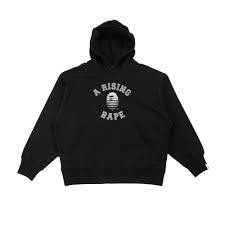
A Bathing Ape launched in the Ura-Harajuku district of Tokyo in 1993 under designer Tomoaki Nagao, aka Nigo. After accumulating $50 million in debt, Nigo sold 90% of BAPE to Hong Kong conglomerate I.T Group in 2011 for $2.8 million and formally left in 2013. He’s now Artistic Director at Kenzo, and his independent brand, Human Made, IPO’d on the Tokyo Stock Exchange in November 2025. That trajectory matters because it’s basically the inverse of BAPE’s: Nigo’s new thing keeps gaining heat while the brand he built keeps converting heat into mall placement.
Today’s BAPE is a heavily commercialized operation. The Shark Hoodie and Bapesta still drive serious revenue, but inside the core community the brand is treated as an entry-level purchase, not an archival grail. If you’re buying BAPE in 2026, heed the sizing warning: Japanese streetwear measurements run smaller, consistently. You’ll want to size up at least one full size from American brands to land a normal fit.
Palace — The Anti-Supreme That Became Supreme
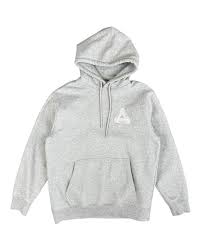
Founded in 2010 by Lev Tanju, London-based Palace Skateboards built its reputation on VHS-aesthetic skate videos and aggressive British irony. The Tri-Ferg is now as globally recognizable as the box logo, which is a sentence that would have sounded insane in 2014.
Palace balances core skate culture with luxury aspiration about as well as anyone has managed. Late 2025 drops included a heavy Holiday collection with a Fender collab, which fits the pattern of merchandising well outside apparel. This follows the high-priced and heavily scrutinized crossovers with Gucci, Calvin Klein, and CP Company. Drops happen Friday mornings, and they remain generally easier to manually cop at retail than Supreme, provided you aren’t going after the three most hyped items of the week.
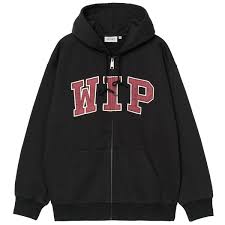
Carhartt WIP — The Workwear Gateway (Best Value Pick)
Carhartt WIP (Work In Progress) is the European-designed streetwear arm of Carhartt, distinct from the American workwear line, sitting in the $40–200 range. Launched in 1997, WIP takes rugged American silhouettes and refines the cuts and materials for urban wear.
This is the section I care most about, because the value gap here is wider than anywhere else on the list and almost nobody talks about it correctly.
A standard US Carhartt Detroit Jacket costs around $90 and uses stiff, heavy duck canvas built for actual construction sites. The Carhartt WIP Detroit retails for €215 (roughly $230) and uses a 12-ounce organic Dearborn cotton canvas with a washed finish and a tailored cut. The difference isn’t just price. It’s the entire pattern: shorter body, slimmer through the chest, sleeves that don’t eat your hands. The hardware is the same Carhartt brass, but the fabric breaks in faster because of the wash treatment. Hold a $58 Stüssy printed tee next to a $45 Carhartt WIP pocket tee and the WIP shirt is structurally the better garment. Heavier cotton, denser stitch, neckline that doesn’t roll after three washes. It’s the best dollar-for-quality buy on this list and it isn’t close. I still keep one Stüssy tee in rotation out of habit, not because I think it’s the better shirt. Old loyalties.
| Brand | Basic Graphic Tee | Heavyweight Hoodie | Signature Jacket |
|---|---|---|---|
| Carhartt WIP | $45 | $110 | $230 (Detroit) |
| Supreme | $48 | $168 | $298 (Fleece) |
| Stüssy | $58 | $130 | $250 (Varsity) |
Outerwear prices in this table are ballpark; both Supreme fleece and Stüssy varsity styles swing significantly per season and material.

Aimé Leon Dore — When Streetwear Grew Up
Teddy Santis founded Aimé Leon Dore in Queens in 2014. ALD basically invented the “refined streetwear” category, trading loud graphics for tailored cardigans, loafers, and a curated old-money aesthetic that has since been copied by approximately everybody.
The ongoing partnership with New Balance still dictates the retro-runner market. After dominating with the 550 and 992, Santis teased the ALD x NB Gator Run in January 2026, releasing Spring 2026. The shoe revives an aggressive 1980s turf silhouette in deep blue nylon with yellow suede overlays. ALD leans heavily on pre-order for drops, which means buyers wait months for delivery but bots get effectively shut out of the process.
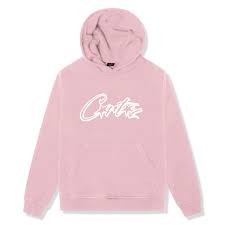
Corteiz (CRTZ) — The Independent That Beat the System
London-based Corteiz, led by the pseudonymous Clint419, operates outside traditional retail entirely. The Alcatraz island logo, password-protected drops, physical flash mobs.
Corteiz commands real momentum through Nike. In April 2025 the brand dropped the Nike Air Max 95 “Honey Blacks” at $190 retail; it sold out online inside an hour. Late 2025 supply chain leaks confirm a Nike Shox R419 in development — a play on the R4 silhouette and Clint’s handle — slated for Autumn 2026.
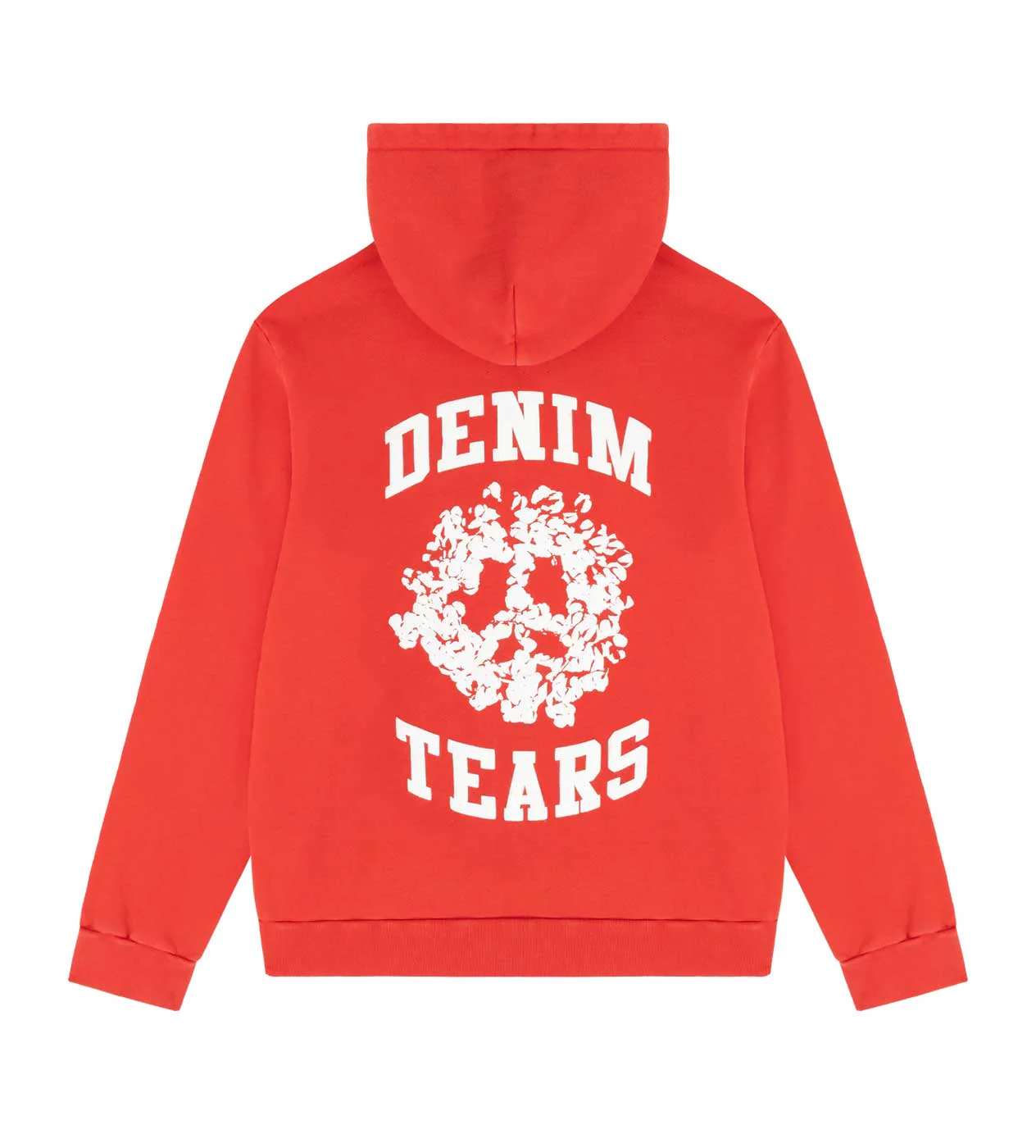
Denim Tears — Streetwear With a Point of View
Tremaine Emory founded Denim Tears in 2019 to weave narratives of the African diaspora directly into garments. The brand operates conceptually, anchored by the Cotton Wreath motif, and it deserves more space than I’m giving it here.
The label routinely partners with legacy giants: a Dior Tears capsule, a Levi’s 501 partnership, the 2023 Tupac tribute alongside Swedish label Our Legacy. Pricing has climbed accordingly. In February 2025 Denim Tears released a $1,400 Cashmere Cotton Wreath Zip Hoodie embellished with Swarovski crystals at its Manhattan storefront. Whether you think that’s a coherent extension of the concept or a luxury pivot depends entirely on which side of the Cotton Wreath debate you’ve already picked.
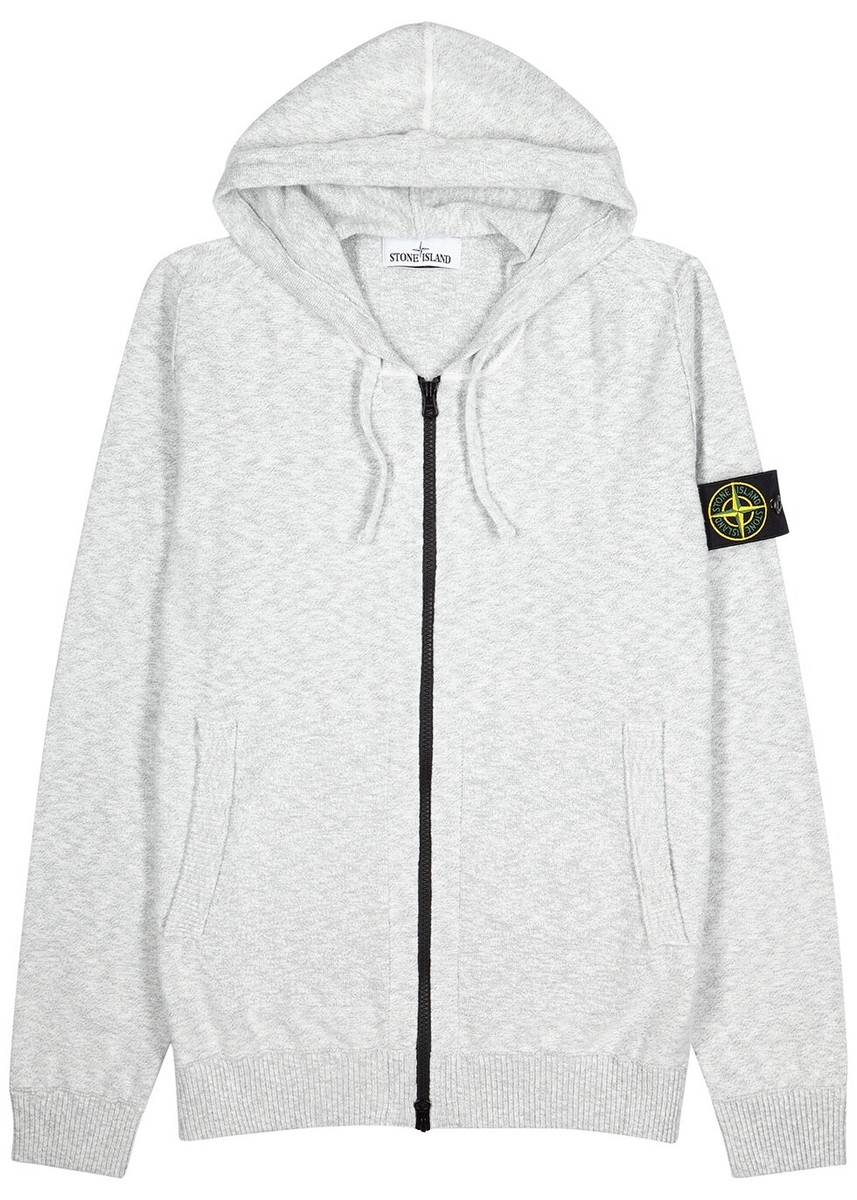
Stone Island — Tech Wear’s Patriarch
Massimo Osti established Stone Island in Italy in 1982, obsessing over military surplus fabrics and aggressive dyeing techniques. The brand’s cultural weight is genuinely massive. UK football casuals, then global hip-hop, then everywhere. Luxury group Moncler formally finalized its acquisition in 2021 for €1.15 billion.
The compass sleeve badge is one of the most counterfeited items in modern menswear, which is its own problem. Authentic garments now ship with a Certilogo tag stitched inside the hem. Scan the QR code with a phone camera and it connects to the brand’s database for an instant authenticity check. It works. It’s also a depressing necessity.
Honorable Mentions — Brands About to Break Through
- Awake NY: Angelo Baque’s label captures 1990s New York energy better than anyone else currently operating.
- Cactus Plant Flea Market (CPFM): Cynthia Lu’s puff-print designs and irregular Nike footwear continuously trade for massive premiums.
- Brain Dead: The premier destination for weird, graphic-heavy, post-skate apparel.
- Kapital: Japanese denim and knitwear leaning on traditional boro patching and that iconic smiley.
- Noah: Brendon Babenzien’s post-Supreme venture, responsible sourcing meets preppy skate.
How to Actually Buy From These Brands (Without Resale Markup)
Buying limited streetwear at retail takes preparation. Bots dominate any release that isn’t gated. Brands deal with this in different ways, from password gates to in-person queues, and none of those methods is perfect.
Legitimate tier-zero retailers like SSENSE and Dover Street Market handle the bigger sneaker collabs. Retailers like END. Clothing run their own raffle systems through END. Launches. Win the raffle, you get an email link, you have 5 minutes to check out before stock rolls to the next person in queue. Anyway.
| Brand | Typical Drop Day | Release Method | Pro Tip |
|---|---|---|---|
| Supreme | Thursdays (11 AM) | FCFS Online / In-Store Queue | Apple Pay is the fastest manual checkout. |
| Palace | Fridays (11 AM) | FCFS Online | Add items from the “New” tab, not categories. |
| Corteiz | Random (Often Friday) | Password Protected | Follow Clint419 on Twitter for the password link. |
| Aimé Leon Dore | Fridays (11 AM) | Raffle / Pre-order | Enter the pre-order draw; it eliminates bots. |
FAQ
What is the #1 streetwear brand right now?
Supreme. Still. Independent labels like Corteiz hold more underground heat, but Supreme’s volume, history, and $1.5 billion valuation make it the market leader by any reasonable measurement.
Which streetwear brand has the best resale value?
Nike collaborations with independent brands — Corteiz Air Max 95s, CPFM Flea 1s — hold the highest premiums, often trading 100% to 300% over retail. Standard Supreme basics have cooled, averaging only a 30% to 40% markup on StockX in 2025. The premium has migrated from the brand itself to the brand-plus-Nike pairing, which is a meaningful shift in how value gets created in this category. If you’re buying for resale rather than for wear, that’s the math you should be running.
What’s a good streetwear brand for beginners on a budget?
Carhartt WIP. $40 to $60 gets you heavy-gauge cotton tees and durable blanks that outlast garments priced three times higher.
Are Supreme and BAPE still considered top streetwear brands?
Yes, but the customer has shifted. Neither is an exclusive underground label anymore. Both are corporate (EssilorLuxottica and I.T Group), and they operate as reliable commercial giants rather than niche secret societies.
What’s the difference between streetwear and luxury streetwear?
Streetwear prints graphics on standardized cotton blanks at $40 to $150. Luxury streetwear (Dior Men, Off-White) uses cut-and-sew manufacturing, premium Italian hardware, and exotic materials, which pushes t-shirt prices over $400.