
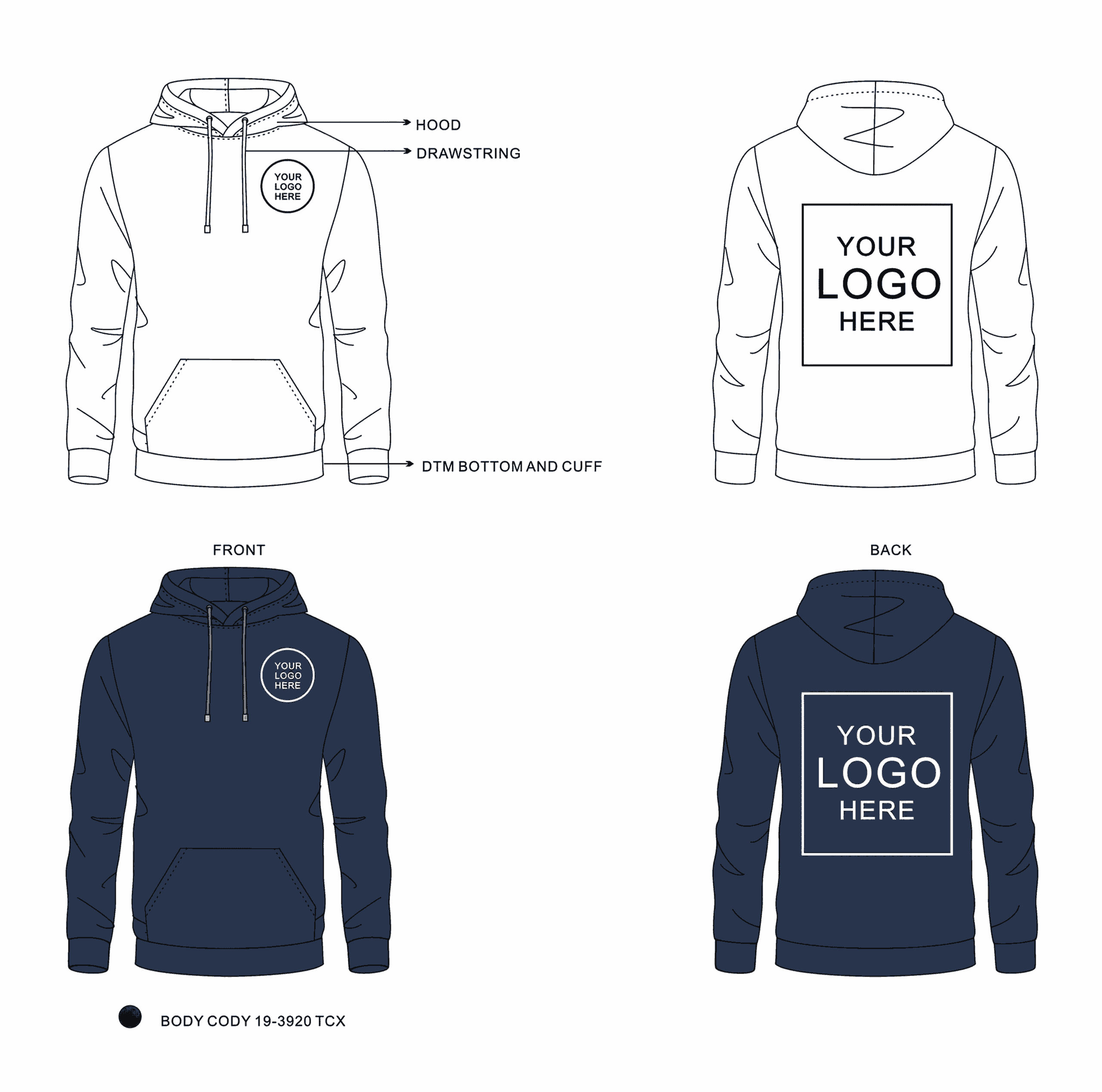
You know how two hoodies can both look “right” on a product page, then one turns into your daily uniform and the other sits in the back of the closet?
With men’s hoodies, the difference is usually fit, fabric weight, and the small build details, like pocket design, ribbing, and hood structure.
Nike covers a wide range, from a classic pullover hoodie to Tech Fleece zip-ups, with extended sizing that reaches up to 4XL on many styles and tall options on select garments.
In this guide, I’ll break down the main hoodie types, the materials that matter, and the style trends worth paying attention to, so you can choose the right hooded sweatshirt for your routine, your climate, and your men’s clothing lineup.
Key Takeaways
- Start with fit: treat “regular fit” as your baseline, “loose fit” as roomier through the chest and shoulders, and “oversized” as intentionally longer and wider for layering.
- Use price as a clue, not a rule: staple Nike pullovers often sit around $70, while feature-heavy options like Tech Fleece commonly land in the $130 range, depending on the season and color.
- Match fabric to your day: cotton feels soft for casual wear, fleece adds warmth, and performance blends like Dri-FIT are built to move sweat so you feel drier during training (per Nike’s Dri-FIT overview).
- Know the checkout basics: Nike lists free standard shipping for Members on orders $50+ and a 60-day return window, and it accepts major cards plus options like PayPal, Apple Pay, and Klarna (as listed in Nike Help).

Types of Men’s Hoodies
Most shopping mistakes happen because people pick a style first and a purpose second.
Flip that order: decide where you’ll wear the hooded top (commute, gym, travel, lounging), then pick the hoodie type that supports it.
| Type | Best for | What to look for |
|---|---|---|
| Pullover hoodie | Warmth and simplicity | Kangaroo pocket, ribbed hem/cuffs, a hood that holds shape |
| Zip-up | Layering and temperature control | Full-length zipper, secure pockets, a collar/hood that sits flat under a jacket |
| Oversized | Relaxed style and layering over tees | Dropped shoulders, extra body width, longer hem, roomy hood |
Before you pick a style, lock in your fit
- Regular fit: easiest to wear under a jacket without bunching.
- Loose fit: gives you more room in the chest and shoulders, great if you lift or hate tight ribbing.
- Oversized: looks intentional when the shoulders drop and the body runs longer, size down if you want “relaxed” instead of “blanket.”
- Tall sizing: if you’re long in the torso or arms, tall options can save you from a hoodie that rides up when you reach. Carhartt notes tall sizes run about 2 inches longer than regular in body and sleeve length.
Pullover Hoodies
A pullover hoodie is the default for a reason: it’s warm, clean, and easy to throw on.
If you want a simple logo and a premium feel, the Nike Men’s Solo Swoosh Hoodie is a strong reference point at $90, and the product description highlights a heavyweight brushed fleece that’s plush inside and smooth outside.
If you want a more budget-friendly staple in your men’s sweatshirts rotation, the Nike Club Men’s Pullover Fleece Logo Hoodie commonly lists at $70 at major US retailers.
- Choose pullover if: you run cold, you want fewer moving parts than a zipper, or you like a cleaner front.
- Watch the hem and cuffs: tighter ribbing holds warmth but can feel restrictive, especially if you prefer a loose fit.
- Check the hood build: a multi-panel hood sits better and keeps its shape longer than a thin single-layer hood.
Zip-Up Hoodies
Zip-ups solve one problem better than any other hoodie type, they let you regulate heat fast.
Nike’s Tech line is a go-to example because it pairs a modern silhouette with practical storage. The Nike Tech Men’s Fleece Hoodie calls out a zippered top pocket with a hidden phone pocket, and it’s explicitly labeled as an oversized fit.

Pick a zip-up when you want easy layering and quick temperature control.
If you want a non-Nike benchmark for durability, WIRED reported in December 2025 that American Giant sold 1 million units of its Classic Full Zip hoodie and relaunched it with an updated cotton fleece, still priced at $168. That’s a useful reminder: zip-ups cost more when the patterning, zipper, and panels get more complex.
Oversized Hoodies
Oversized hoodies work best when the volume looks intentional, not accidental.
Think dropped shoulders, extra room through the body, and enough length to drape over jeans or sweatpants without riding up.
- For a clean oversized look: pair the hoodie with straighter-leg pants so the outfit doesn’t turn into a full “all-volume” silhouette.
- For a gym-to-errands hoody: choose oversized only if the hem stays put during movement, some oversized cuts swing and feel bulky when you train.
- For tall builds: prioritize tall sizing (when offered) before you size up, sizing up often makes sleeves too wide without fixing length.
Popular Hoodie Materials
The fabric label tells you almost everything about how the hoodie will feel after a month of wear.
Use materials to decide warmth, breathability, and how the garment will handle repeated washing.
| Material | What it feels like | Best use |
|---|---|---|
| Cotton or cotton-heavy | Soft, breathable, classic hand-feel | Everyday men’s clothing, casual layering |
| Fleece (cotton blend or polyester) | Warmer, softer inside, more insulating | Cold weather, lounging, outdoor errands |
| Performance blends (Dri-FIT, Therma-FIT, Tech Fleece blends) | Designed to manage sweat or warmth with less bulk | Training, travel, unpredictable weather |
Cotton
Cotton hoodies feel great for everyday wear, and they look “normal” in almost any casual setting.
The tradeoff is moisture. Nike’s moisture-wicking guide notes that cotton can absorb up to 7% of its own weight in sweat, which helps explain why a cotton hoodie can feel heavy if you train hard or get caught in damp weather.
- Pick cotton when: comfort and softness matter more than sweat management.
- Size tip: if you’re between sizes and you plan to machine dry, consider the roomier option, cotton blends can tighten up after heat.
- Wear tip: cotton is a solid top layer for mild days, and a dependable mid-layer under a coat when it’s truly cold.
Fleece
Fleece is the warmth play, and it shows up across men’s hoodies, men’s sweatshirts, and workwear hooded sweatshirts.
For a real-world weight reference, Carhartt lists its Paxton sweatshirt as a 13-ounce cotton-poly fleece with a durable water-repellent finish, offered in regular sizes S to 4XL plus tall L to 3XL.
If you like heavyweight, shape-holding fabric, Champion Reverse Weave product listings often call out 400 g/m² terry and positioning that emphasizes shrink resistance and durability.

| Example (for context) | Listed fabric weight | Why it matters for you |
|---|---|---|
| Nike Tech Fleece Full-Zip (teamwear spec) | 9.1-ounce polyester/cotton blend | Warmth without as much bulk, easier layering |
| Carhartt Paxton (official product features) | 13-ounce cotton/poly fleece | Heavier feel, more wind-blocking heft, workwear durability |
| Champion Reverse Weave (product description) | 400 g/m² terry | Dense, structured drape, strong “heritage sweatshirt” feel |
Blended Fabrics
Blends are where brands can tune performance without giving up comfort.
Two Nike examples help you shop smarter: Dri-FIT focuses on sweat management, while Therma-FIT focuses on warmth. Nike describes Dri-FIT as an “innovative polycotton fabric” that wicks sweat and helps it evaporate faster, and it describes Therma-FIT as technology that helps manage your body’s natural heat to help keep you warm in cold conditions.
- For training: put Dri-FIT closer to your skin, it works best with direct contact (per Nike’s Dri-FIT guidance).
- For cold weather: look for Therma-FIT or a heavier fleece blend, then layer a shell on top if it’s windy or wet.
- For long days: choose blends with secure pockets, Nike Tech pieces often add zip pockets that keep a phone from bouncing out.
Care tip that protects performance fabrics
Nike’s workout clothing care guide specifically advises you to avoid fabric softener and dryer sheets, which can reduce performance and trap odors over time.
Hoodie Style Trends
Hoodies keep moving closer to “real outfits,” not just gym gear.
In 2026, the main shifts are simple: cleaner branding, better fabric, and more functional details like hidden pockets and weather-resistant finishes.
- Minimalist styling: small logos, solid colorways, and structured fits that layer cleanly under jackets.
- Statement graphics: bolder prints and team drops, easy to wear with simple pants and clean sneakers.
- Athleisure features: moisture-wicking, thermal tech, zip pockets, and water-repellent finishes.
Minimalist Designs
Minimalist hoodies win because they work with almost everything in men’s clothing.
The Nike Solo Swoosh is a good example of that clean approach: a simple embroidered mark, a loose fit option, and fabric that’s described as plush inside and smooth outside.
If you want a premium, editor-tested reference point outside Nike, GQ’s 2026 hoodie roundup named Reigning Champ as its “best hoodie overall,” highlighting midweight terry and clean construction at about $125. Use that as a benchmark for what “premium minimal” usually costs.
- Best colors to start with: black, heather gray, navy, or a muted earth tone for maximum re-wear.
- Fit move: go regular fit if you plan to wear it under coats, go loose fit if you want it to stand alone as the top layer.
Graphic Prints
Graphic hoodies can look sharp fast, as long as you keep the rest of the outfit quiet.
If you’re chasing limited drops or team releases, treat sizing as part of the plan. A “standard” hoodie in one line can fit like a “loose fit” in another, especially when the fabric is heavier.
- Style rule that works: one loud piece at a time, pair the graphic hoodie with solid pants and simple outerwear.
- Practical rule: check the terms and conditions before checkout so you understand return exceptions, restock timing, and any product limits.
Athleisure-Inspired Hoodies
This is where the small tech details matter, and where Nike tends to offer the most variety.
If you sweat easily, start with Dri-FIT. If you run cold, start with Therma-FIT. If you deal with drizzle or wet commutes, look for water-repellent finishes, and consider topping your hoodie with a lightweight cape-style rain layer when you need coverage without a full coat.
| Tech or line | What it’s built to do | Smart way to use it |
|---|---|---|
| Nike Dri-FIT | Wicks sweat and helps it evaporate faster | Wear as a base layer or as your main hooded top for training |
| Nike Therma-FIT | Helps manage your body’s natural heat to keep you warm | Use for cold outdoor sessions or as a warm mid-layer |
| Nike ACG Therma-FIT fleece hoodie | Warmth plus outdoor-focused features like zip pockets and water-repellent finish | Great for travel and unpredictable weather, especially if you carry keys and cards |
Before you place the order, scan the privacy policy, confirm your payment methods, and keep an eye out for free shipping thresholds if you’re building a cart with more than one item.
Conclusion
Men’s hoodies earn their place because they cover real needs, warmth, comfort, and easy style, across gym days, commutes, and weekends.
Focus on fit first (regular fit, loose fit, or oversized), then match your fabric to your day. Use filters to sort men’s sweatshirts by material, features, and price, and always review the terms and conditions, privacy policy, and free shipping rules before you check out.
FAQs
1. What is a hoodie?
A hoodie is a sweatshirt with a hood, made for warmth and casual style.
2. How do I pick the right size?
Pick a size that fits your chest and shoulders, and check the brand size chart before you buy. Leave room for layering, especially if you wear a jacket or heavier outerwear.
3. How do I care for a hoodie to keep the fabric soft and avoid shrinkage?
Wash inside out in cold water with mild detergent, it helps protect color and print. Tumble dry low or hang dry to avoid shrinkage, and avoid bleach or high heat on the material.
4. Can I wear a hoodie to work or a dressy event?
Many think a hoodie looks sloppy, that is a myth. A clean, fine-knit sweatshirt in a neutral color and a neat closure can look smart with tailored pants or simple outerwear.