
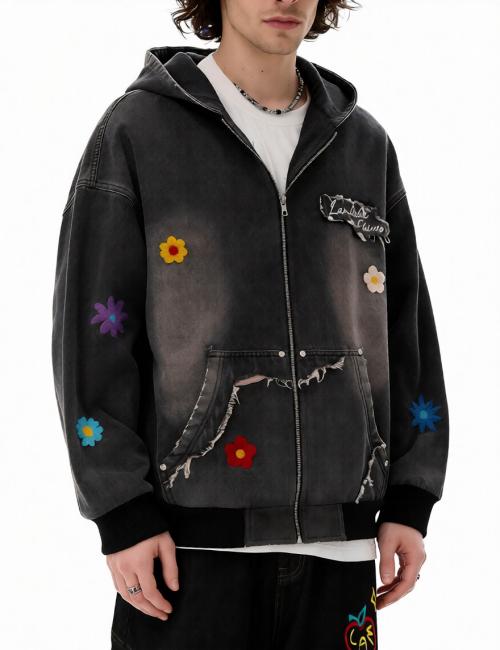
Men’s full zip hoodie sweatshirts provide you with a convenient layer that you can rock in a variety of situations, whether it’s a grab and go coffee run, a chilly office or a weekend getaway. You receive a convenient on/off fit, effortless temperature management, and a fresh style that pairs with jeans, joggers, or shorts.
A lot of hoodies these days incorporate soft cotton blends, fleece lining, or sweat-wicking fabric, so you stay cozy without heavy weight. You experience the small touches that really count in everyday wear, such as durable zippers, fitted cuffs and hoods that lay just right.
To pick the perfect one for your closet, you have to balance fabric, fit, style and care requirements, which the remainder of this guide deciphers.
Master Your Zip-Up Hoodie Style

A full zip hoodie holds a unique place in your wardrobe, blending effortlessly into both casual and corporate attire. With the right fit and fabric, this piece showcases the layering potential of quality clothing, making it suitable for work days, late nights, and quick trips.
1. The Casual Classic
For a foundational look that works nearly everywhere, team your pullover hoodie with straight-leg jeans or minimalist sweatpants. Washed-out denim, coupled with a henley and a mid-weight hoodie, delivers a laid-back mash-up that still comes off deliberate, not sloppy. This is the kind of outfit you can wear to a coffee meet, a casual office, or an express dinner, showcasing a blend of quality clothing and comfort.
Neutral colors allow you to get more wear out of each item. Charcoal, navy, black, or light grey zip-ups lay cleanly against basic tees, graphic tees, or an Oxford shirt. A grey hoodie over a white Oxford and dark blue jeans is one of those GQ recommends staff picks that keeps coming back because it works on almost everyone, proving its versatility in menswear.
Shoes remain subtle. White sneakers or cheaper ‘beaters’ in solids go with most trouser silhouettes and do not compete for attention. Most stylists recommend you eschew heavy branding at this point and let the lines remain clean, ensuring a polished look without excessive effort.
Accessories stay low-key: maybe a watch, a slim cap, or a canvas tote. You stay all about fit and comfort, not accessories.
2. The Athleisure Look
For a more refined, sport-leaning style, pair your hoodie with joggers or light performance pants in a complementary color palette. A black zip-up with black tapered joggers and running shoes makes you look hard-charging and sleek, but still café-appropriate.
Choose sweat-wicking, breathable fabrics such as technical blends or super-heavy French terry with excellent thermoregulation. These hold shape, move beautifully, and stay comfortable from AM sweat session to PM groceries.
You get to mess around with what’s inside. A baggy tee introduces more street vibe, while a crisp, untucked shirt adds a little sharpness without sacrificing casual.
Top it off with slim shades and perhaps a short, understated chain. You put in a touch of swagger without slipping into costume.
3. The Smart Layer
To nudge your hoodie into office or dinner territory, wear it as a mid layer. A fitted full zip under an unstructured blazer or over a crisp oxford shirt with wool trousers reads like relaxed corporate style. GQ stylists love to show this move because it straddles the line between polish and effort.
Quality wins out here. Watch for dense cotton, clean zippers, and understated designer touches instead of obnoxious logos. In muted tones like stone, navy, or deep green, they slip under a blazer without bulk, leaving you a clean line at the shoulder.
There are a lot of sustainability-minded brands nowadays that cut hoodies that hold up and age with a nice fade. This allows you to dress them up without the fabric looking spent after one season.
4. The Streetwear Edge
For a more powerful, urban-rocker look, go volume and contrast heavy. An oversized zip hoodie, wide-leg cargo trousers, and a bold graphic tee strike that loose, skate-adjacent vibe you could associate with guys like Tony Hawk without rocking a full skate uniform.
You can sprinkle in indie or small-batch menswear labels for pants or t-shirts. These tend to introduce strange colors, prints or textures, so your hoodie ends up a tranquil border around more adventurous items.
Accessories do more work on this one. Chunky rings, a curved cap or a cross-body bag move the ensemble in the direction of contemporary streetwear while remaining useful.
Many people draw on “Scandi cool” for balance: big shapes, soft colors, clean sneakers. Go for a cream oversized hoodie, wide black pants, and plain leather trainers.
5. The Weekend Uniform
For off hours, a hoodie and set combo slashes decision time. A zip-up and matching sweats or shorts in soft cotton gives you a little ‘uniform’ for travel, home, and hanging out.
If you favor slow days on the couch, an oversized hoodie in plush French terry provides both coziness and consistent warmth. Going one or two sizes up can look slouchy, yet still clean if the shoulders don’t fall too low.
Just keep two or three colors on rotation—say grey, navy, and a muted earth tone—so your weekend ensembles feel effortless and not dated.
Understand Hoodie Materials
The choice of material significantly influences how your men’s full zip hoodie feels, lasts, and handles various elements. Understanding the nuances of quality clothing is essential before you hit “add to cart.” The fabric of hoodies can differ greatly in durability, appearance, and texture, depending on the yarn quality and knit style, whether it be jersey or fleece. For a laid-back, off-duty feel, mid-weight cotton is often the ideal choice, while lightweight synthetic knits excel in sports due to their quick-drying properties.
Material / Blend | Main Benefits | Ideal Use Cases |
|---|---|---|
100% cotton | Soft, breathable, hypoallergenic, vibrant DTG prints | Daily casual wear, sensitive skin, custom graphics and logos |
100% polyester | Very durable, light, quick-dry, holds shape | Sports, travel, humid climates, frequent washing |
Cotton–poly blend (e.g., 60/40) | Balance of comfort, breathability, and strength | All‑round everyday hoodies, work-from-home, light outdoor use |
Poly-cotton-elastane (for example, 70/27/3) | Stretchy, smooth, great for sublimation, keeps fit | Athleisure, skinny streetwear, intricate printed designs |
Cotton–elastane (for example, 95 percent/5 percent) | Soft, breathable, flexible | Slim fits, layering, light workouts |
Wool or wool blend | Warm, odor-resistant, insulates when damp | Cold-weather commuting, winter travel, minimalist wardrobes |
Recycled synthetics / eco blends | Smaller footprint, often quick-dry and light | Eco-minded buyers, travel, light training |
When considering prints, 100% cotton hoodies typically provide the most vibrant designs, making them a favorite among those who appreciate stylish apparel. Moreover, a blend of 70/27/3 poly-cotton-elastane is perfect for sublimation printing, where the ink adheres best to the polyester, ensuring crisp and long-lasting results. This attention to detail in selecting materials is crucial for anyone looking to build a wardrobe with a mix of style and functionality.
Ultimately, whether you’re drawn to the comfort of a pullover hoodie or the versatility of a dress shirt, the right fabric can enhance your overall experience. By investing in quality materials, you can ensure that your clothing not only looks good but also stands the test of time, making it a worthwhile addition to your closet.
Fabric Feel
When considering quality clothing, take into account softness, stretch, and weight first, as these are the sensations you feel with every zip. A mid-weight cotton or cotton-poly fleece weighing between 250 and 320 grams per square meter is soft, has some body, and is fantastic as a day-to-day layer. A lighter knit in polyester or a cotton blend feels cooler and is perfect for indoor wear, gyms, or travel where you are active and don’t want the bulk.
If you want a smoother and more “lux” hand feel, seek out blends that incorporate elastane or spandex in small doses. Something like a cotton, polyester, and elastane blend can feel plush and soft while still snapping back to shape instead of bagging out at the cuffs after a month.
Brushed interiors, often referred to as fleece or “brushed back,” fluff the fibers on the interior, which traps air and makes the hoodie feel warmer and softer against your skin in the colder months. You’ll feel the knit and finish. Tightly, densely knit hoodies feel smoother and a bit heavier, while loose knit open weaves feel airier but can pill quicker.
If possible, try the hoodie on in person and whip around your arms, zip it all the way, and take note of the neck, shoulders, and inside of the sleeves because rough seams here catch you the most. If you purchase online, pay attention to buyer and editor reviews that discuss pilling, cling, and how the fabric feels after multiple washes, not just fresh out of the box.
Weather Performance
For hot or active days, you want fabric that moves sweat off your skin, making it essential to choose quality clothing. Polyester and modern synthetic blends shine here because they wick moisture and dry fast, so they stay lighter and cling less when you heat up. For cool, dry days, a slightly heavier cotton-poly fleece retains heat nicely but still breathes sufficiently for walking, commuting, or light work outside, ensuring you stay comfortable in any situation.
In wet or windy locations, a regular knit hoodie won’t do a lot against the elements by itself. See if your hoodies incorporate a water-resistant face, chest-level windproof panel or tightly knit outer layer with fleece backer. Wool hoodies, either pure wool or blends, are superb for winter and shoulder seasons since wool insulates even when wet and resists odor.
They generally cost more to produce than cotton or polyester, so you pay a premium. Key categories that help you sort faster include: light performance hoodies (mostly polyester or blends, low weight, high wicking), everyday fleece hoodies (cotton or cotton-poly, mid-weight, soft inside), weather-ready softshell hoodies (knit inside, coated or tight-weave outside), and winter-grade wool hoodies (merino or wool mixes for serious cold).
By understanding the process of selecting the right hoodie, you can navigate the market with confidence. This knowledge not only enhances your experience but also allows you to appreciate the craftsmanship behind each piece, making it easier to find the perfect addition to your wardrobe.
Modern Textiles
You’ve got more options in contemporary fabrics than the good ol’ cotton versus polyester divide. A lot of brands use recycled polyester from discarded plastic bottles or pre‑consumer waste, usually blended with organic or better‑sourced cotton to reduce environmental footprint and maintain those same quick‑dry and light characteristics.
Other labels drive wool blends that knit finer yarns into hoodie styles, so you get hot, clean lines, less bulk and consistent warmth. If sustainability is important to you, see how transparent a brand is about its fiber sourcing, dyeing, and factory standards. Some publish full traceability reports, while others at least designate pieces that utilize recycled fibers or third-party certifications.
That granularity provides you with a more tangible sense of what you are supporting when you choose one hoodie versus another. Modern blends introduce obvious utility. Odor‑resistant finishes or fibers, frequently in wool or treated synthetics, come in handy if you intend on rocking the same hoodie through long days or while traveling.
Quick‑dry fabrics let you throw the hoodie in the wash at night and wear it the next morning. Tiny bursts of elastane in a 70 percent, 27 percent, 3 percent polyester‑cotton‑elastane blend can provide you with a snug, sleek fit that still has room to breathe during transit, cycling, or power exercises.
Find Your Perfect Fit
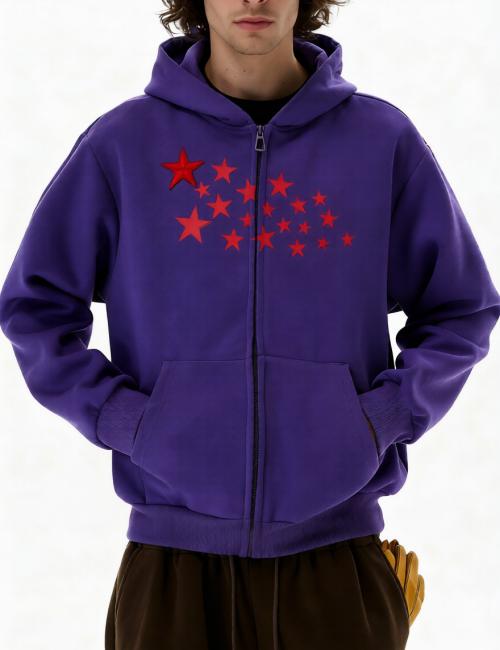
Fit defines how your quality clothing like a full zip hoodie fits, moves, and looks. A well-fitting hoodie can significantly impact your daily comfort and self-assurance, whether you’re rocking it in the office, on a flight, or at a casual weekend meet-up. Achieving this fit requires understanding your measurements and carefully consulting size charts, while also double verifying how the hoodie fits on your shoulders, torso, and sleeves.
Shoulder Seams
Nike
Uniqlo
Lululemon
Patagonia
Adidas
Shoulder seams play a crucial role in how quality clothing like your hoodie appears on you. The seam should sit right at the edge of your shoulder bone, ensuring a tailored fit rather than a baggy look. When the seam droops, the entire hoodie appears one size too large, and your torso can seem hunched. Conversely, if it sits too high, you may feel restricted through the upper chest, which can impact your range of motion, especially when zipping up or reaching forward.
When it sits too high, you feel tight through the upper chest and your range of motion can drop, which you notice when you zip up or reach forward. See how the seam is constructed. Turn the hoodie inside out and look to see if the stitching is tight, even and reinforced where the sleeve attaches to the body.
Ultimately, understanding these details can elevate your menswear drops experience, ensuring that you not only look good but also feel comfortable in your clothing choices. Whether you’re after a pullover hoodie or a crisp dress shirt, the right fit is essential for both style and function.
Body Length
For the majority of us, it should graze a couple centimeters lower than the waistline – generally mid-fly on your trousers or jeans. This line keeps your upper and lower body in balance and makes the hoodie zip up nicely. If the hoodie is too short, your t-shirt can peak out underneath the hem, which can appear off unless you’re going for that streetwear stack.
If it’s too long, it will bunch over your hips and give you a stumpy appearance. Consider your layering strategy. If you’re going to toss the hoodie over a T-shirt and then tuck it under a blazer or light jacket, you want enough length to prevent drafts, but not so much that it peeks out past your outer layer.
For a smart-casual look, a regular-length hoodie with slim-fit chinos and clean trainers remains sharp without feeling stiff. For athleisure or golf, a hem hits just below the beltline, keeping you covered when you twist or bend.
When you read size guides, pay attention to the “back length” or “centre back length” and check it against a hoodie you already like. About: Locate Your Ideal Match. This minor leap slashes typical sizing errors, such as purchasing by height alone.
We’ve noticed that the “right” length for day-to-day wear is different than your gym hoodies, so you could have one shorter sport fit and one a bit longer, more polished piece for the city or office.
Sleeve Cut
Sleeves have to allow you to move but not have loose fabric flapping. If the sleeve is too tight, the fabric tugs at the elbow and upper arm, and the hoodie can creep and turn when you bend or steer. If too loose, the entire arm bulks up and it is harder to dress the hoodie up with a coat.
A luxury hoodie very often strikes a happy medium here, cut tight enough for a sleek silhouette but with enough room for a tee or thin baselayer. Cuffs should stop just at your wrist bone. When the cuffs sit higher, the hoodie seems small and can ride up when you reach.
When they fall over your hands, you end up pushing them up all day, which stretches out the fabric and makes them sag. Ribbed or elastic cuffs ensure the sleeve maintains its shape and prevents color bleed or fraying at the edge, even if you sport your hoodie during tailgate parties or road trips.
You’ll be surprised at how sleeve cuts really vary from brand to brand and category to category. A slim-fit style from a running line will cling to your forearms, whereas a classic street hoodie might have room to spare from elbow to cuff.
Test a couple in varying sizes, zip them up completely, lift your arms, cross them, and shove your hands in your pockets. Finding your perfect fit usually necessitates this kind of minor experimentation, but the reward is a hoodie that’s appropriate for both low-key days and dressier occasions.
Inspect The Construction

I believe that the construction of clothing goes beyond just how your pullover hoodie feels on day one or how it holds up after several months of washes and wears. When you inspect the seams, zippers, hood, and pockets, that’s where you discover if you’re investing in genuine quality clothing or merely a logo.
Zipper Quality
BEGIN ZIP – If this zipper breaks, the pullover hoodie is toast! Zip it up and down a couple of times; it should glide in one smooth line without sticking, grinding, or sharp noises. The puller should feel substantial in your fingers, not flimsy or wobbly, and the teeth should align neatly with no spaces when shut. When considering quality clothing, pay attention to the zipper’s craftsmanship as it can significantly impact your overall experience.
If you can bend the zipper tape too easily or it flaps in the wind when zipped, it will likely twist or snap in a few months. Seek metal or dense, high-grade plastic zippers, each with firm tapes and tight, clean stitching on either side. The seams holding the zipper should be straight, with no puckering of the fabric, stray threads, or skipped stitches.
Those weak spots tend to split first around the bottom 5 to 10 centimeters. Branded zippers, such as YKK or other known hardware brands, are a common indicator that a maker was not cheap on key components, often found in higher-end outdoor wear and serious streetwear. Investing in a well-crafted zipper can enhance the longevity of your clothing.
If the zipper is flimsy, leans when half-zipped, or sports a thin, sharp puller that flexes to light pressure, walk away, even if the price appears fair. A bad zipper takes a good fabric and makes it a disposable-life dress, undermining the effort put into selecting quality menswear.
Hood Structure
The hood should fit how you live, not just how it photographs! Try it on to check if it covers your head and upper neck without being pulled taut at the back or slipping into your eyes. This is important if you wear headphones, glasses, or a cap underneath it.
A deeper three-panel or four-panel hood, where you have more seams shaping the curve, typically fits closer and shifts less in wind than a flat two-panel hood design. Look for drawstrings that glide easily and hold wherever you adjusted them.
Metal or solid plastic eyelets, neatly set without frayed fabric edges, reduce the possibility of ripping when you yank the ties. When down, it should lay pretty flat on your upper back and shoulders rather than bunching into a stiff roll that pops your collar up. This is crucial if you intend to layer it under a coat or blazer.
Try a few brands side by side if you can: some focus on a slim, low-profile hood that sits neat under outerwear, while others build tall, roomy hoods meant to stand out and frame the face more like streetwear.
Pocket Design
Pocket style significantly influences the hoodie’s appearance and determines the day-to-day interaction you have with it. A single kangaroo pocket in front offers a relaxed style and a toasty hand-rest, making it perfect for indoor settings or mild weather. When considering modern menswear drops, split front pockets, typically paired with a full zip, allow you to open the hoodie wide while still offering room for essentials like a phone or keys on either side.
For those who prefer a sleeker look, hidden side-seam pockets, occasionally equipped with zippers, fare better. This design is ideal if you desire a firmer stowage while in motion or jetting around. Test pocket depth with your real stuff. Slide your phone in and bend or sit. If it leans out or prints hard through the fabric, the pocket is too shallow or placed too high, which is something to keep in mind when shopping for quality clothing.
Check the angle of the opening as well. Straight, vertical pockets are safer for keeping gear in, while slightly slanted ones feel more natural for your hands. Inspect the workmanship. For example, examine stitching around the pocket edges and corners.
Bar tacks or additional rows of stitches at stress points, like the upper corners and along the pocket mouth, can significantly reduce the chance of ripping when you quickly access your items or carry heavier goods. On the inside of the pocket, check for plush but compact material. Thin, loose knits tend to wear out quickly, which can affect the overall experience.
For a quick check before you buy, use a short list in your mind: a pocket type that fits your use, enough depth to hold a large phone, reinforced corners, and fabric weight inside the pocket that matches the body of the hoodie. This careful consideration can make all the difference in your purchase, ensuring you get a stellar version of your desired hoodie.
Extend The Lifespan
Our premium menswear full zip hoodie sweatshirts are crafted for quality clothing and durability, but your washing, drying, and storage process significantly impacts their longevity. With attentive maintenance, this pullover hoodie can transform from a momentary essential into a timeless classic.
Washing
Let’s begin with the care tag of each pullover hoodie, even if they appear identical. A hefty 10.5-ounce cotton-poly blend, French terry, and lighter single-cotton knits simply don’t respond to water and heat in the same manner. Wash your hoodie inside out to protect the gear’s outer surface, color, and any printed or embroidered logo. This simple step reduces pilling where the fabric rubs against the drum, ensuring your quality clothing lasts longer.
Cold water and a gentle cycle are essential! Cold water helps keep dark colors from bleeding and slows down fading on black, navy, or deep green. A gentle liquid detergent, in small doses, is typically fine for normal perspiration, city grime, or corporate attire. Avoid bleach and harsh ‘whitening’ powders, which can disintegrate fibers, desiccate ribbed cuffs and hems, and crack screen prints.
If your hoodie is made from a thick 10.5-ounce cotton-poly blend or French terry looped on the inside, gentle washing becomes even more critical. These fabrics are engineered to be soft and durable, but aggressive wash cycles abrade the loops and weaken the knit with age. Hoodies with double-needle stitching at the seams remained smooth after repeated washes, which were always cold and inside out, in editorial testing and long-term wear.
A simple step-by-step routine helps you stay consistent in maintaining your favorite pieces. By following these guidelines, you can maximize the lifespan of your clothing and keep your closet looking fresh and stylish.
Zip the hoodie, turn it inside out, empty pockets.
Machine wash with like colors, gentle cycle, and cold water.
Mild detergent, no bleach, no fabric softener if there’s stretch.
Take out immediately after the cycle completes to prevent deep wrinkles.
Drying
Air drying contributes to longevity more than just about any other habit. Dry the hoodie flat on a clean rack or hang it from the shoulders so the zipper is straight. This keeps a quality hoodie holding its form, especially if it has ribbed cuffs and a ribbed hem meant to snap back instead of sag.
No high heat in a dryer. Heat can shrink cotton, strain the cotton-poly blend, and make French terry rough. If you have to machine it, opt for low tumble, bypass extra-hot settings, and inspect the hoodie mid-cycle. Most long-time wearers find that a great hoodie can stand up to tons of washes, but it’s the heat that makes it starchy or ‘tired,’ not the water. Air drying, even part-way, extends the lifespan.
Storing
How you put away your hoodies impacts their longevity of sharpness. Fold in wide, loose squares and stack or hang on solid, broad-shoulder hangers so the weight of a 10.5-ounce hoodie doesn’t pull and warp the neckline. Both ways let a rugged frame and double-needle seams maintain their shape.
Store them in a cool, dry place, out of direct sun from a window or powerful indoor light. Light does gradually bleach out dark colors and can cause one shoulder to be lighter than the rest if the hoodie dangles in the same position for months. If you reside in a humid location or have had moth problems, nestle cedar blocks or easy sachets in the closet. They are good for pests and keeping things smelling clean without the perfume.
Rotating your hoodies is another tiny but handy habit. If you have three similar full zip hoodies, don’t wear the same one five days a week! HoodieSwitch readers who swap their favorites report that a good-quality hoodie remains soft after three years of hard but communal wear and looks anything but “dingy” after dozens of washes.
De-lint them and file by season, color, or frequency of reach so it is easy to distribute the wear.
Purchase With Purpose
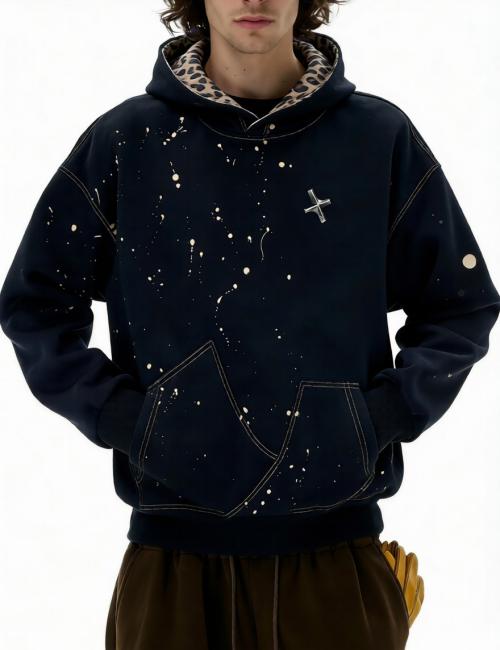
Buying a men’s full zip hoodie sweatshirt is much more effective if you go in with a plan rather than just scrolling and guesstimating. A hoodie is simple, but what you ask it to do is not: commute layer, office standby, weekend piece, travel basic, or outdoor shell under a jacket. A little consideration before you buy helps you find one that suits your lifestyle, not just your shopping cart.
Start with what matters most to you: price, quality, or brand. If you’re after a work hoodie that you don’t mind getting paint, oil, or dust on, you’ll probably establish a tight budget and opt for a hard-wearing cotton blend in the vicinity of 30 to 50 EUR.
If you desire a crisp full zip that matches chinos or dark denim for a casual office, you can pay a premium for neater sewing, a slicker zipper, and improved fabric recovery. If brand authenticity is your thing, see if the logo you dig is from the main line or a less expensive sub-label. Too often, buyers discover the painful truth that a low-cost spin-off doesn’t hold its shape or color after a few washes, even if the logo looks similar.
Find shopping comparisons across big retail sites, indie labels, and the big household names. Big platforms offer you wide size runs, lightning-fast filters for fabric weight, and tons of user reviews that flag fit issues, like “runs small in the shoulders” or “sleeves short above 185 cm height.
Independent labels may provide more considerate cuts—longer body, elevated neck, sleeker zipper guard—constructed for those that care about fit and minor design details. Well-known sports or outdoor brands often focus on function: full zip hoodies that layer under a shell, dry fast, and hold up to daily use. Line them up: note fabric weight in grams per square meter, pocket layout, and whether the hood and cuffs keep warmth on cool days instead of gaping.
Consider shipping and returns and sustainability before you decide something is a “good deal.” A less expensive hoodie can get expensive if the return shipping is high and you’re uncertain about the size. If you’re plagued by size issues, too snug on the chest or too loose at the waist, seek out free or inexpensive returns and detailed size charts with body and garment measurements in centimeters.
For warmth, see if the brand lists fabric blend and weight, not just ‘fleece’ or ‘brushed inside.’ For durability and color hold, opt for mid-weight cotton blends with a bit of polyester and reinforced seams. Many brands disclose if cotton is organic, if dyes are low-impact, or if factories are certified. If you care about the long-term impact, this can be a tie breaker between two similar hoodies.
Utilize buying guides and staff picks and your own prior victories to increase the likelihood that you’ll dig what pops. Store staff and editorial “best of” lists often sort hoodies by use: one list for gym and training layers, another for everyday street wear, another for outdoor trips where you need warmth without bulk.
Seek out comments on comfort and softness from dozens of users, not a single bellowing critique. Some seek it in a dense, firm weave that maintains a crisp edge. Others prefer it in a soft, plush texture that performs on extended flights or brisk mornings. Match that to how you will wear it: a soft fleece full zip for cool-weather walks and a more structured French terry for the office.
Keep value in view: if one hoodie costs 65 EUR but stays true in color and fit for three years, it can beat a 25 EUR one that sags, pills, and lives in the back of your closet after one season.
Conclusion
A nice full zip hoodie doesn’t just hang in your closet. It serves you well. You now know what to look for: fabric, fit, zip, seams, cuffs, and care. All that stuff accumulates.
You can find pill-y thin fleece. You can spot a tight zip from a phony. You can sense if the hood lays properly on your head. You can observe whether the pockets sag or retain shape.
Next time you’re shopping for a men’s full zip hoodie sweatshirt, refer to this post as your quick checklist. Take some minutes, test every point, and walk out with a hoodie you’ll wear on loop.
Frequently Asked Questions
How should a men’s full zip hoodie sweatshirt fit?
Your pullover hoodie should fit baggy but not sag, ensuring that the shoulder seams align with your shoulders. The sleeves ought to finish at your wrist bone, allowing for effortless layering over a T-shirt or light layer without pulling across your chest or stomach.
What is the best material for a men’s full zip hoodie?
For daily comfort, opt for quality clothing made from cotton or a cotton-poly blend. Cotton is soft and breathable, while polyester adds durability and shape retention. For colder temperatures, consider fleece-lined options for cozy warmth without the weight.
How do I style a full zip hoodie without looking sloppy?
Keep it minimalist by pairing your pullover hoodie with slim-fit jeans or chinos and crisp sneakers. Opt for solids or minimal designs, and consider layering under a denim or bomber jacket. Ensure the hoodie offers a good fit, free of stains or wrinkles.
How can I tell if a zip-up hoodie is well made?
Try the zipper first; it should pull easily and feel solid. Examine the stitching inside and outside, ensuring the seams are straight and tight without loose threads. Gently tug at the cuffs, hem, and pockets to assess whether they feel like quality clothing.
How do I wash my hoodie so it lasts longer?
To maintain the quality clothing of your pullover hoodie, machine wash cold on a gentle cycle with mild detergent. Whenever possible, air-dry or tumble on low to resist shrinkage and keep colors fresh.
What features should I look for in a men’s full zip hoodie?
Emphasize a sturdy zipper and plush interior in your clothing choices, like a cozy pullover hoodie. Look for roomy yet secure pockets and ribbed cuffs that hold shape, ensuring a quality clothing piece that coordinates with most of your wardrobe.
How many hoodies do I really need in my wardrobe?
You can create a rockin’ rotation with two to three quality clothing hoodies. So pick out one neutral everyday pullover hoodie, one warm fleece hoodie for those colder days, and one performance or sport hoodie to keep your style open without jamming your closet.