
Key Takeaways
Hoodie fabrics — cotton, polyester, blends, fleece, french terry — all alter how cozy a hoodie is, how warm it keeps you, and how durable it is. Knowing your fabrics helps you select a hoodie that really fits your comfort preferences and lifestyle. Cotton provides softness and breathability. Polyester offers durability and performance.
Cotton hoodies wear great day-to-day because they breathe, are soft, and are kind to sensitive skin, particularly if they’re crafted from a high percentage of organic cotton. Cotton itself can shrink or wrinkle more than blends, so cotton blends are often a better choice if you want easy care and longer-lasting shape.
Polyester and blended hoodies are better for performance and durability. They are light, moisture-wicking, quick-drying, and more resistant to wrinkles and wear. For sports, travel, or frequent laundering, opting for polyester or a cotton/poly blend will provide you more long-term value and less upkeep.
Fleece and French terry fabrics let you adjust your hoodie to your climate and activities, with fleece offering more insulation and winter warmth and French terry supplying breathable, moderate warmth that’s wearable year-round. When shopping, compare fabric weight, interior finish and lining to pair the hoodie with cold weather, mild seasons or indoor use.
Material choice influences cost, durability, print potential, and eco impact, so it benefits you to weigh budget, sustainability, and style prior to purchase. You can find recycled polyester, organic cotton, and certified eco-friendly blends if you desire both performance and a reduced environmental footprint.
With proper care, washing in cold, gentle drying, and storing properly, any hoodie will last longer. When you sort hoodies by fabric and follow care label instructions, you will keep them soft, in shape, and looking new as long as possible.
Hoodies are typically made of cotton or polyester or a combination of both. Typical hoodies are made from cotton-poly blends because they provide the best combination of comfort, warmth, and easy maintenance.
One hundred percent cotton is soft and breathable, but it can shrink and dry slowly. Polyester shapes and dries fast and is cheaper, but it can retain more heat and have a less natural feel on skin.
Most performance hoodies, for example, incorporate spandex for stretch or fleece knit for additional warmth in chilly weather. To select the perfect hoodie, consumers typically consider fabric weight, hand, and how it absorbs sweat and wash cycles.
The following sections detail each common fabric type.
What Materials Make Hoodies?
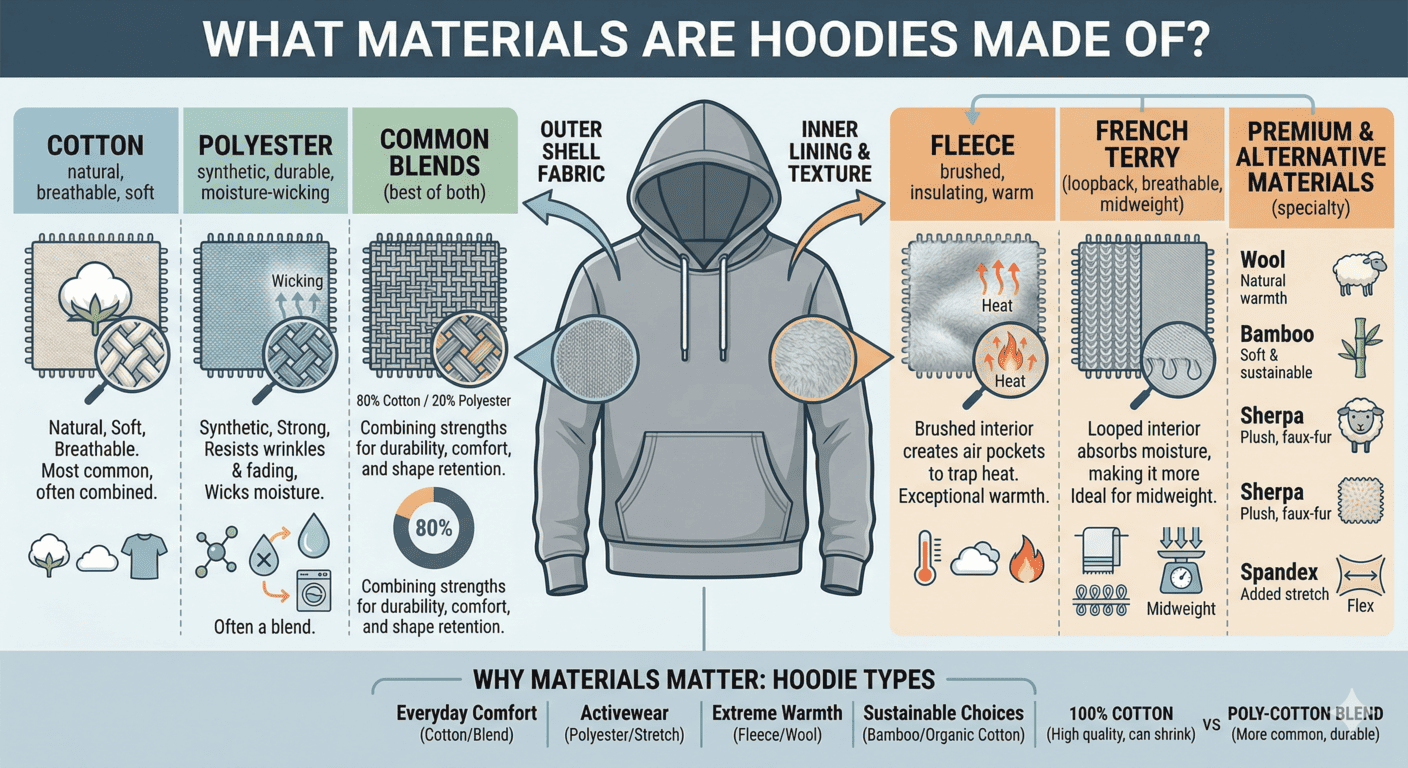
Hoodie fabric does most of the heavy lifting when it comes to how a hoodie feels, drapes, and wears down. Cotton, polyester, cotton-poly blends, fleece constructions, or French terry—most hoodies use one or a combination of these fibers, and they impact softness, warmth, and durability just as much as the cut or label.
Cotton is very soft, breathable, provides moderate warmth, and can wear out or shrink.
Polyester: smooth, less breathable, high warmth retention, very durable.
Blends (e.g., 50 percent cotton and 50 percent polyester, 80 percent cotton and 20 percent polyester): soft, stable warmth, strong durability, low shrink.
Fleece (cotton, poly, or blends): Very soft, provides high warmth, and has medium to high durability.
French terry: Soft, airy warmth, good durability, holds shape well.
Natural fibers such as cotton and wool are soft and breathable, so they are great for wearing all day or for those with sensitive skin. Synthetic fibers like polyester add superior strength, wrinkle resistance, and quick drying, which is why performance and team hoodies rely on them.
Fabric choice changes fit and style: a heavy cotton fleece will hang straight and look more structured, while a lighter polyester blend or French terry will stretch, move with you, and recover its shape after long commutes or gym sessions.
1. Cotton
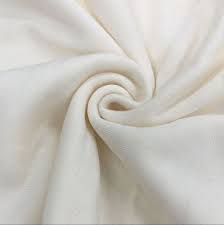
Cotton hoodies dominate because the fiber is soft, breathable, and tried and true, making them a favorite hoodie choice for many. They are easy to wear in a shared office, classroom, or on a long travel day. A 100% cotton hoodie wicks sweat, is soft on sensitive or dry skin, and steers clear of the plastic-y sensation others detect in high-polyester knits, which often lack the comfort of a truly comfortable hoodie.
While pure cotton does come with trade-offs, such as the potential to shrink after the first few washes, it offers a level of comfort that is hard to beat. Regular cotton serves as the baseline, while premium cotton, usually combed or ring-spun, uses cleaner, longer fibers for a smoother face and reduced pilling, making it a great hoodie fabric for quality hoodies. Organic cotton, particularly 100% organic cotton fleece, maintains that same breathability but eliminates many chemical inputs in farming.
Cotton hosiery knits, often found in stylish hoodies and sweatshirts, provide additional stretch with a soft hand, which is great for those of us who are constantly on the go and seek comfortable apparel for daily wear.
2. Polyester
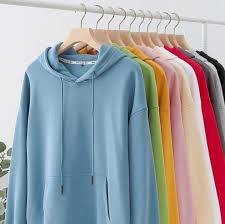
Polyester hoodies, crafted from synthetic fabric, utilize lightweight and durable materials that effectively wick moisture. This makes them an excellent choice for athletic apparel and outdoor training layers, as they dry quickly after a workout or shower. Moreover, the right fabric resists wrinkling in a backpack and holds color well after multiple washes, ensuring your favorite hoodie remains vibrant.
While a 100% polyester hoodie is generally less breathable than cotton, making it feel warmer in hot environments, it provides a snug fit perfect for team apparel. Many brands now use recycled polyester yarns from post-consumer bottles, promoting sustainability without compromising on quality hoodies performance.
These modern materials not only enhance durability but also contribute to a stylish hoodie design. By incorporating recycled textiles, wearers can enjoy the benefits of lightweight sweatshirts that are both functional and environmentally friendly.
3. Blends
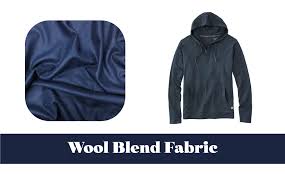
Blended hoodies combine fibers such as cotton and polyester, typically a 50/50 or 80/20 blend, or cotton and rayon to strike a balance between comfort, structure, and maintenance. A typical 80/20 cotton-poly blend maintains the soft feel of cotton while incorporating polyester’s strength and reduced shrink rate.
They tend to pill less and come out of the wash closer to the original fit. Poly-heavy blends wear smoother and are colorfast, while cotton-rich blends maintain that familiar sweatshirt hand feel.
For the majority of people looking for coziness and stress-free washing with no need to weigh in on wash cycle parameters, blended hoodies become a convenient standard.
4. Fleece
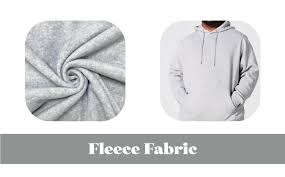
Fleece hoodies are less about the specific fiber than they are about the knit and brushed inner surface, with an emphasis on insulation and loft. The fleece itself may be cotton, polyester, or a blend. You’ll even find wool and fleece combinations in chunky winter hoodies that verge on lightweight jackets.
Cotton fleece is soft, breathable and cozy, great for indoor winter use or mild outdoor cold. Polyester or polar fleece holds more air and resists moisture while providing impressive warmth at a low weight, which is perfect for hiking or extended days outside.
Slub fleece, knit from two yarns of different sizes twisted together, lends a textured surface and slightly quirky appearance while remaining warm and soft, so it’s popular with those seeking a laidback but less “flat” hoodie. Fleece blends attempt to combine these characteristics, providing warmth, a plush inside, and increased durability across numerous washings.
5. French Terry
French terry, or loopback cotton, is a jersey fabric with a smooth face outside and small loops inside, so it’s clean on the surface and soft on the skin. It typically gauges lighter than traditional fleece and provides medium warmth with improved breathability.
Thanks to its breathable and flexible nature, French terry pops up frequently in loungewear hoodies, travel-ready pieces, and chill everyday styles you can sport inside without breaking a sweat.
It weighs less than fleece, packs smaller, and wicks moisture rather than just trapping air, making it great for folks who shuttle between cool offices, transit, and home.
How Fabric Affects Feel
Fabric choice shapes almost everything you notice when you put on a hoodie: how soft it feels on skin, how much it stretches when you move, how warm it stays, and how it holds up after months of wear. Softness typically originates from cotton, brushed or fleece interiors, and fleece surfaces. Stretch and recovery is a function of knit structure and added elastane.
The knit’s weight, usually indicated in grams per square meter, and whether the surface is smooth, looped, or brushed determine whether a hoodie feels slick, industrial, or soft. A smooth jersey face measures clean and neat. Looped terry inside feels more textured. A brushed inner surface or fluffy fleece reads cozy and warm, which counts whether you work at a desk, ride a bike to class, or train in a gym.
Warmth
For warmth, fleece and heavy cotton rank high. A thick cotton sweatshirt fleece, usually with a brushed interior, captures tons of stagnant air near your body and that’s insulation. Fleece fabrics with a soft, fluffy surface do this even more, which is why they feel so cozy the moment you slide them on in cold weather.
The weight plays a clear role: heavier fabrics feel more “substantial” on the body and tend to keep more heat in, so winter hoodies usually use higher-weight fleece rather than light jersey. Various sweatshirt fibers insulate differently. Wool blends provide robust warmth with less heft because wool fibers inherently trap air.
They often feel warmer than a similar-weight cotton hoodie but can feel a bit prickly to some if the blend is not very fine. Pure polyester fleece is light and warm, with a distinct “synthetic” softness that some people like for outdoor use, while cotton-poly blends split the difference. Cotton adds natural, soft handfeel and breathability. Polyester helps retain warmth and shape even after many wash cycles.
These fabrics work great for cold climates or long, cold commutes, where a fleece hoodie or a heavy cotton-poly blend (say, 60% cotton and 40% polyester sweatshirt fleece) is typically the most functional option. The inside finish counts a ton in this regard. A looped interior, such as in French terry, traps less air and consequently has a cooler sensation on skin, while a brushed or napped interior develops that plush, blanket-like layer that turns the identical fabric weight into something far warmer than it appears on paper.
Breathability
For breathability and a cooler feel, comfortable hoodies and cotton-rich blends perform best. Cotton fibers are naturally breathable, so a higher cotton content usually feels softer and more breathable, which is especially handy if you wear your hoodie around the house all day. A light cotton jersey hoodie can feel more like a long-sleeve T-shirt than a jacket and still be wearable across seasons.
Synthetic fibers, primarily polyester, allow less air to pass through. They transport sweat away from the skin better when knit in a moisture-wicking pattern. Most performance hoodies have polyester or nylon on the outside for fast drying. They then either blend in cotton or use a softer inner knit so it still feels great against skin.
You sacrifice some breathability in exchange for superior sweat control and quick drying post-workout. French terry and jersey fabrics provide a nice balance for active wear. French terry has little loops on one side and a smooth face on the other. Those loops trap some warmth without the weight of full fleece, making it a great option for mild weather or working out indoors.
Jersey knits, particularly medium-weight cotton or blends, are silky soft and stretchy, with just the right amount of breathability for balmy environments or sweaty workouts. For workouts or hot, humid days, selecting a breathable fabric is about more than comfort. It assists you in maintaining your energy and attention, making your favorite hoodie an essential part of your wardrobe.
A light cotton or cotton-blend French terry hoodie is perfect for warm-ups, while a technical polyester knit with vented panels fits longer runs or outdoor training, provided you can embrace the slightly less ‘airy’ sensation versus pure cotton.
Durability
Polyester and polyester-rich blends typically provide comfortable hoodies with a longer lifespan. High polyester fabrics tend to resist wrinkles, shrink less, and retain their form through numerous wash cycles, making a significant difference if you’re wearing the same hoodie to commute, work, and the gym. They also resist abrasion from backpack straps and constant machine drying better. However, these fabrics can feel less breathable and slightly less “natural” on the skin.
However, they can feel less breathable and a tad less “natural” on skin. Pure cotton hoodies, on the other hand, tend to score points for comfort but age more quickly. Cotton can shrink or lose shape if not treated well and can fade or thin at elbows and cuffs sooner, particularly in looser, open knits.
You still encounter consumers who swear by cotton for its natural feel, willing to sacrifice some pilling or slight stretching as time goes on.
Hoodie fabric | Feel profile | Breathability | Durability / wear pattern |
|---|---|---|---|
100% cotton fleece | Very soft, warm, natural | High | Can shrink, fade, and lose shape over many washes |
Cotton‑poly blend (60/40) | Soft, slightly slick, holds shape | Medium‑high | Good balance, moderate pilling over long use |
High-polyester blend (20/80) | Smooth, marginally less breathable and stiff | Medium-low | Highly durable, wrinkle resistant and stretch resistant |
Wool or wool-blend fleece | Warm, a hint of texture, premium feel | Medium | Durable if handwashed, can felt if miswashed |
A moment’s inspection of fabric density, stitch quality at seams, and how stable the fabric feels when you pull it with your hands can quickly tell you how the quality hoodies are likely to age.
When selecting your next favorite hoodie, consider these factors to ensure you choose the right fabric for your lifestyle needs.
Choose Your Hoodie Material
Hoodie fabric is a compromise between comfort and performance, weather and care. An easy way to figure this out is to map the right fabric to how and where you’ll wear your favorite hoodie.
Define your main use case: daily casual wear, office-ready layer, gym, running, travel, or cold-weather outer layer. Everyday wear skews toward cotton or cotton-poly blends, while training and outdoor sports lean toward polyester and technical knits.
Pick your hoodie fabric. Lighter weight hoodies in the 5.9 to 7.38 oz/yd² (roughly 200 to 250 g/m²) range work great for warm weather or indoor use, while heavier 8.85 to 11.8 oz/yd² (about 300 to 400 g/m²) suit winter or late-night commutes. For the majority of us, a mid-weight 250 to 300 g/m² hoodie is the most versatile and wearable most of the year.
Trade off feel versus durability. Pure cotton is soft, breathable and hypoallergenic, great for sensitive skin and long work or study days. Cotton-polyester blends, like 50/50 or 80/20, tend to hold their shape better, resist pilling and shrinkage, and require less care.
Take activity level and sweating into account. If you’re going to sweat, hike or commute in changeable weather, choose moisture-wicking fabrics such as polyester, poly blends, or some tech knits that dry quickly and won’t cling when damp. If it’s light-duty you want, comfort fabrics like French terry or fleece interiors are a better choice.
Consider care and durability. Wool is warm and high-performance in cold but pricier and usually requires gentle washing. Jersey and cheap synthetics can pill sooner. If you’d like a hoodie that survives machine washing, a solid cotton-poly blend is typically more secure.
For Comfort
Select high-cotton content, 70% or more cotton, for softness, breathability, and less chance of skin irritation, especially if you’re wearing the hoodie for extended work sessions or flights.
Opt for a fleece interior (brushed inside) when you crave that plush, cozy comfort for nights, home office or study nooks. It captures air and is toasty on the skin.
Go with French terry (loopback cotton) if you want a smoother outer face with soft loops inside. It’s warm but not too hot, which is great for those air-conditioned offices or mild winters.
Go for cotton blends, like 80 percent cotton and 20 percent polyester, when you’d like a nice balance of comfort, lighter weight, and easy machine care, with less shrinking and twisting after wash.
Always sample different fabrics and weights side-by-side when you can. The equivalent size in a dense fleece can feel more bulky and warmer than a lighter French terry or jersey knit.
For Performance
Polyester and polyester-rich blends perform better than pure cotton in sweat and motion, making them ideal for comfortable hoodies. They pull moisture away from the skin, dry quickly after a workout or light rain, and often weigh less for an equivalent amount of warmth, which is particularly advantageous if you run or bike with a backpack.
For running or athletic hoodies, consider lightweight jersey or technical knit fabrics, which are perfect for daily wear. They’re thinner, stretchier, and pack small in a gym bag. Be aware that jersey, whether cotton or synthetic, can pill over time, so inspect fabric quality and stitching if you intend to launder it frequently.
Stretchy fabrics with elastane or rayon blends increase your range of motion while training, climbing, or doing yoga. If you’re going the hoodie route, a 3 to 7 percent elastane poly/cotton blend tends to be more forgiving in the shoulders and elbows, eliminating drag when you sprint or lift.
Many performance hoodies use panels, including polyester mesh under the arms, denser knit on the chest, and sometimes a water-repellent finish on the outer layer. These technical fabrics fit those who train in the elements, transition from indoor to outdoor spaces, or travel with one ‘do-most-things’ hoodie.
For Weather
For actual winter or extended cold nights, fleece hoodies and wool hoodies shine. A thick fleece interior or heavy french terry traps warm air, while wool adds natural insulation and breathability. Wool costs more and requires careful washing.
In mild or transitional weather, mid-weight cotton or cotton-poly sweatshirts cover most bases. At 250 to 300 grams per square meter, they are substantial but not heavy, and you can wear them solo on cool mornings or beneath a light jacket when it gets a little colder.
For wet conditions, focus on the outer layer: water-resistant polyester or nylon hoodies shed light rain and dry quickly. They’re not a substitution for a complete rain jacket in storms. However, they assist throughout brief walks between structures or traveling with a backpack.
Layering different materials works wonders season to season. A light cotton or cotton-blend hoodie under a shell jacket in winter, or a thin performance hoodie under a heavier coat, gives you more control. You can remove layers as you move from cold streets to heated offices.
The Future of Hoodie Fabric
The future of comfortable hoodie fabrics will combine sustainability with increased performance, where fabric selection is a design decision as much as color or fit.
Eco-Friendly Choices
Eco-friendly hoodies now center on three main pillars: organic cotton, recycled polyester, and smarter blends that use both. Organic cotton eliminates most synthetic pesticides and frequently practices superior soil and water management, which can relieve stress on local ecosystems. Recycled polyester, formed from discarded plastic bottles or textile waste, keeps material out of landfills and repurposes it as yarn, making it a great hoodie fabric choice for environmentally conscious consumers.
Tons of brands mix these with bamboo or recycled cotton to achieve a better compromise between softness, shape retention, and lower impact. Most of the environmental benefits appear in water, energy, and waste. Organic cotton and recycled cotton can reduce water use compared to some conventional cotton farming, particularly when combined with waterless-dyed fleece, which sidesteps the massive dye baths found at older mills. This combination can create a comfortable hoodie that is both stylish and sustainable.
Recycled polyester skips the energy-intensive step of making new fossil-based resin and helps reduce demand for virgin plastic. As more factories adopt these inputs, eco-tech blends like Sorona, recycled cotton, and waterless-dyed fleece will transition from niche to normative as sustainability moves from fad to floor. This shift is crucial for those seeking quality hoodies that also align with their values.
For consumers, the simplest means of separating actual change from greenwashing is to read the label and look for certifications. Independent standards on organic cotton, recycled content or better dye processes can indicate that a hoodie’s fabric narrative has been vetted by an external party. With so many product pages listing fiber percentages in detail these days, it’s simple to check if the “eco” tale is a dash in a trim or in the main fabric.
Selection still boils down to compromises. Some prioritize comfort and softness and seek out cotton, polyester, or rayon that produce a super smooth, drapey hoodie. Others prioritize lower impact and will trade off slightly rougher handfeel or slower color fade for organic or recycled fibers. With demand rising from green-conscious consumers, innovation in new fabrics and blends continues to accelerate, so tomorrow’s hoodies will probably lean a little less either-or, catering to the desire for both comfortable apparel and sustainable choices.
Technical Textiles
Tech hoodie fabrics are all about what the garment does when it’s actually worn, not how it looks on a hanger. Moisture-wicking polyester instead shuttles sweat to the outer layer, where it can dry more quickly, which comes in handy during runs, long commutes, or sweaty subway rides. A comfortable hoodie made from stretch jersey that mixes elastane with cotton or polyester provides additional mobility while hugging the body, perfect for workouts, journeys, and contemporary streetwear that must appear sharp and feel effortless.
These new finishes contribute additional function without weighing down the fabric. More importantly, odor-resistant treatments inhibit the growth of stink bacteria, allowing you to wear a comfortable hoodie a few more times between washes. UV-protective knits and coatings on hoodies block some solar radiation, which is crucial for those who spend extended time out under the sun.
Some mills these days design knit structures and even yarn cross sections to provide passive temperature control, trapping more air for warmth or venting heat faster in “cool touch” designs, instead of just adding thick fleece. Hot on the heels of these gains are more complicated blends and fabric constructions. A hoodie, for example, could feature recycled poly on the face for durability, organic cotton on the inside for softness, and a dash of elastane for flexibility.
Some of those cotton, poly, and rayon mixes can be almost “lounge wear soft” but still retain their shape after many washings. As these technical textiles mature, they move far beyond sportswear. The same fabric that works for a hike or gym session now shows up in city-ready pieces that need to survive daily use, shared workspaces, and frequent travel.
In practice, this means performance hoodies will likely become the default in three areas: athletic wear where moisture and stretch matter; outdoor use where UV and warmth-to-weight ratios count; and urban streetwear that demands durability, low pilling, and a refined look. The more we come to anticipate a hoodie doing all of this and still being made from eco-conscious inputs, the more we will see clever fabrics that combine recycled polyester, organic cotton, and newer fibers like Sorona into one balanced knit.
Why Material Choice Matters
Material dictates the way a comfortable hoodie feels, holds up, and looks after months of wear, as well as how well it carries prints or logos. It impacts price, everyday comfort, and even your frequency of grabbing your favorite hoodie in your closet. For anyone who cares about both price and durability, fabric selection is not a side note; it’s the primary design decision.
Price Point
100% cotton hoodies, particularly those that are combed or organic, tend to fall on the top of the price spectrum as the raw fiber is more expensive and mills require more time to spin and knit it into a soft, durable fabric. Luxury labels might go a step further with heavyweight fleece in the 350 to 450 grams per square meter range, brushed interiors, and refined rib trims. All of these factors increase material and production costs but provide that dense, comforting texture that many associate with higher-end construction and superior drape, making them some of the most comfortable hoodies available.
Polyester and cotton-poly blends often cost less because synthetic fiber is less expensive to manufacture at scale and yields more yards per kilogram of yarn. Brands that cater to bulk orders, such as team wear or corporate merch, lean heavily on 50/50 or 60/40 cotton-poly blends to meet price points while maintaining a nice hand feel. This appeals if you’re shopping for events or large teams looking for stylish hoodies that won’t break the bank.
Blended fabrics are usually the compromise, where you swap some natural softness for improved durability and a more palatable price. A 65/35 cotton-poly hoodie, for instance, resists wrinkles and shrinks less in the wash while still feeling soft to the touch for all-day wear. This works well if you’d prefer a no-nonsense piece of clothing rather than a couture statement, making it an ideal choice for daily wear.
Specialty fabrics and technical knits, such as recycled polyester fleece or stretchy cotton with elastane, raise the price back up. They require some additional processing, finishing, or certification, but deliver in a pinch if you want things like fast drying or improved warmth-to-weight ratio for your workouts or outdoor time, ensuring you have the right fabric for any occasion.
Longevity
That said, if you want a comfortable hoodie that still fits like the first day you put it on after a season of heavy wear, polyester blends and other knits are the safer option. Polyester fibers are durable and bouncy, so they keep the jacket from sagging around the cuffs, hem, and hood. Additionally, these materials minimize pilling on high-friction areas like the underarms or your back when you lug a backpack.
Nothing beats the feel of pure cotton on your skin. However, it’s a fabric that will fade faster in dark colors, tends to shrink after the first few washes, and if made from low-quality yarn or a loose knit, will pill. Without good care, such as a cool wash, gentle detergent, and line drying instead of high heat, cotton fleece can lose its nap outside. This can age the hoodie prematurely compared to a well-proportioned blend of fleece fabric and cotton.
Spending on better quality cotton blends or dense fleece rewards over time if you intend to wear the hoodie as a staple piece rather than for a quick trend-drip. Heavyweight brushed fleece retains heat better and has a weighty hand, while mid-weight French terry provides a lighter, more breathable alternative that maintains its shape if densely woven.
Construction and weight are just as important as fiber type. A dense knit with a higher grams-per-square-metre count generally resists abrasion, frequent laundering and light stretching without distortion. In contrast, lighter, open-knit hoodies tend to twist, pocket-sag, or wear thin at the elbows, even when they employ good fibers.
Printability
For custom prints and logos, hoodies with a high cotton content, ideally as close to 100% as possible, tend to provide the best canvas for screen printing and embroidery. Cotton fibers lock in pigment and provide the needle with a solid foundation. This means sharp edges, strong color saturation, and less chance of cracking or peeling in typical plastisol or water-backed inks.
Polyester and high-poly blends can still work great, but they usually require special inks or processes like dye-sublimation or low-bleed inks to prevent ghosting and color migration on bright or dark athletic styles. This complicates things and can raise print cost, which is significant if you have a tight budget on a big run.
If you’re going heavy on the decoration — large back prints, detailed chest logos, dense embroidery — pick your fabric accordingly. Smooth, tightly knitted sweatshirt fleece or French terry will hold thin lines and small text better than loose, textured knits. It will also support heavier thread without puckering.
Care for Your Hoodie
Care decisions should align with the hoodies’ fabric. That’s how you prevent shrinkage, fading, and that coarse, ‘worn out’ sensation that occurs after a few months of sloppy laundry and tumble drying.
A simple checklist helps:
Check the care label first, particularly for wool, cashmere blends, or technical polyester. Some of these require hand wash or dry cleaning.
Sort by material and weight: Keep cotton and cotton blends in one load, polyester-heavy pieces in another, and wash wool or premium fabrics on their own.
Select cold, gentle, and mild detergent for your everyday care. This is the safest option for cotton, cotton blends, and French terry hoodies.
Wash hoodies turned inside out, avoid bleach and harsh stain removers, and don’t use fabric softener to minimize fading and pilling.
Dry on low heat or air dry and reshape while damp.
Store folded in a cool, dry, shaded space with breathable bags for long-term or high-end pieces.
Washing
Cold water and a delicate cycle do wonders for pretty much any cotton and cotton-blend hoodies, even the majority of French terry styles. These fabrics are made for the washing machine, but frequent hot washes will reduce their lifespan as they shrink fibers and fade color.
Polyester and polyester blends survive machine washing, although they can pill if they’re jostled against coarse fabrics such as denim. Separate when you can and don’t overload the machine.
Turn your hoodies inside out before washing to preserve printed logos, screen-printed art, and embroidery threads from friction. This tiny action helps slow cracking on big prints and keeps textured knits from snagging on zips or hooks of other clothes. It shields the more fragile outer layer from direct drum contact.
Select a gentle liquid detergent in small quantities. Strong detergents with optical brighteners or heavy fragrance can roughen fibers and dull dark shades. Fabric softener may appear to provide assistance, but it can coat anti-microbial polyester and cotton-blend fibers, trap odors, and accelerate pilling. It’s best left behind for frequently worn hoodies.
Steer clear of bleach unless the care label says it’s safe. Even then, use it sparingly. Chlorine bleach will weaken cotton and destroy the elastane in cuffs and waistbands. Oxygen bleach will fade colors if used too frequently. If in doubt, pretreat a stain with a little diluted detergent on the spot instead of a harsh chemical.
Drying
Air drying on a rack or hanger is the lowest-risk approach for pretty much every hoodie. It prevents cotton from shrinking more, prevents polyester from melting or glazing in the heat, and helps wool or wool blends maintain their structure.
If you do use a dryer, opt for a low-heat or “delicate” setting and shorter cycles, then finish with air drying if necessary. High heat is particularly tough on polyester and polyester-rich blends, which already pill easily and don’t breathe as well as natural fibers.
The heat tenderizes the surface. Tumbling friction in the drum felts fibers into mini balls, the signature pilling found on bargain basement gym hoodies. Lower heat minimizes that and protects ribbed cuffs and waistbands from losing stretch too quickly.
While the hoodie is still slightly damp, lay it flat or hang it and reshape it. Align the shoulder seams, smooth the sleeves, square the pocket, and set the hood so it is not twisted. This allows the garment to dry in the pattern it was intended rather than stretching it out of shape.
Fleece and heavier cotton hoodies, in the 8.85–11.8 oz/yd² range, tend to fare best with slow, gentle drying. The loft inside the fabric stays soft when you don’t expose it to high heat, so your hoodie maintains that “new” plush feel longer.
Summer hoodies, which tend to be lighter weight in the 5.9–7.38 oz/yd² range, dry fast in open air, making it easy to avoid the dryer altogether.
Storing
About – Care for Your comfortable hoodie – Fold hoodies, don’t hang them for days on end, particularly heavier fleece or wool. Hangers tug on shoulders, strain the knit, and leave dents around the collar. A good fold maintains the hood flat, prevents the pocket from sagging, and evades those elbow creases that never go away.
Put your pile in a cool, dry, shady place. Heat and light can fade dark dyes, dry out natural fibers, and even warp printed graphics. In damp areas, quality hoodies can absorb stuffy smells or light mildew, so introduce ventilation wherever you can and don’t stuff a shelf too full.
As for your premium hoodies, think wool or cashmere blends or tailored designer pieces. Store them in breathable cotton garment bags or storage boxes. This provides protection from dust and bugs while allowing moisture to breathe, which is crucial if you occasionally sport the hoodie outdoors in wet weather.
Proper storage inhibits wrinkling, controls odor, and minimizes fiber abrasion that manifests itself in thinning elbows, warped ribs, and a hood that never lays right again.
Conclusion
Hoodie fabric sounds straightforward at first, but it forms the foundation of practically everything about how a hoodie behaves in the wild. Cotton provides that smooth, soothing sensation. Polyester gives it strength and dries quickly. Blends hit a sweet spot for most people. Fleece holds heat. Jersey feels light. Both decisions feel right on different days and for a different body.
So your best bet is to align fabric with your reality. Long train rides, cold office, late gym run, lazy weekend at home. Let that drive the choice, not simply the logo or trend. Next time you pick up a new hoodie, turn over the tag, get a close knit, and let the fabric facts support your selection.
Frequently Asked Questions
What are the most common materials used for hoodies?
All hoodies are not created equal, as the right fabric significantly impacts comfort and style. Most comfortable hoodies are made from cotton, polyester, or a cotton-polyester blend, while others utilize fleece textiles or breathable hoodie materials that enhance wearability.
Which hoodie material is best for comfort and softness?
For softness, brushed cotton fleece and premium cotton blends are in style. They wear sleek on the skin, making them some of the most comfortable hoodies available, and remain comfortable all day. Seek out midweight cotton or cotton-rich blends if you desire both softness and durability.
What hoodie material is best for warm weather?
For warm or humid weather, lightweight cotton, cotton–polyester blends, and bamboo fabrics perform well. These breathable fabrics dry faster than heavy fleece, making them ideal for comfortable hoodies. Opt for a thinner fabric weight to ensure comfort during warmth.
Are polyester hoodies good quality?
Polyester hoodies can be a great choice if the right fabric is used. While polyester is long-lasting, colorfast, and quick-drying, it may feel less breathable than cotton. Many popular brands opt for cotton-poly blends to create comfortable hoodies that balance durability and moisture control.
What material is best for athletic or gym hoodies?
Athletic hoodies often utilize performance polyester or technical blends, which are some of the best hoodie fabrics for training. These fabrics wick moisture, dry quickly, and provide easy movement. Look for descriptors like ‘moisture-wicking’ or ‘performance fleece’ when selecting your favorite hoodie for sports.
Are sustainable hoodie materials available?
Yes. Some brands are now incorporating organic cotton, recycled polyester, and bamboo or TENCEL™ blends into their fabrics, creating comfortable hoodies that lessen impact on the environment while remaining durable. Look for certifications and recycled content on product labels.
How do I choose the right hoodie material for sensitive skin?
For sensitive skin, natural fibers such as premium cotton or bamboo are usually gentler, especially when looking for comfortable hoodies. They are generally softer and more breathable, so steer clear of coarse materials and search for ‘hypoallergenic’ or ‘organic cotton’ in the product description.