
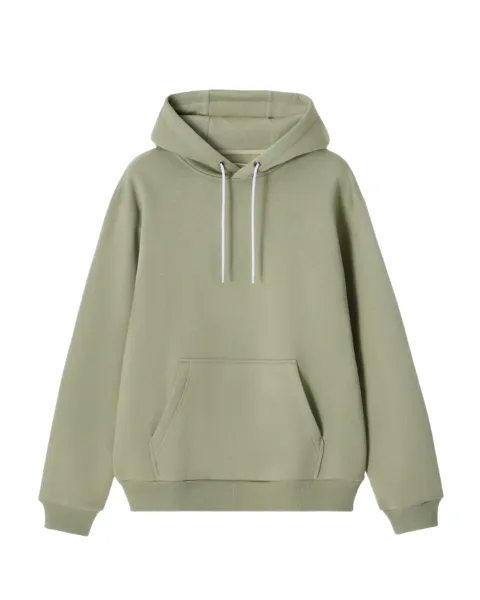
The ultimate guide to your pullover hoodie provides you with insight into exactly how this easy-wearing item of apparel complements your work-play lifestyle. You wear it for work-from-home days, quick getaways, hitting the gym or lazy weekends, so it pays to understand what makes one hoodie stand a cut above the rest.
You contend with fabric types, weight, fit, and nuances such as cuffs, pockets and hoods that alter how it hangs on you. You care about washing, shrinking and durability. In this guide, you go through each of these parts step-by-step, so you can choose a pullover hoodie that really suits your lifestyle.
Anatomy of a Pullover Hoodie
A pullover hoodie, a popular hoodie type, is defined by a few core parts: the hood, drawstrings, kangaroo pocket, cuffs, and hem, along with the stitching that ties it all together. The material and construction behind these garments further define how the hoodie retains warmth and withstands abrasion.
1. The Hood
The attached hood offers immediate warmth and light rain protection and it frames your face in a way that ties the entire look together. A good-cut hood should nestle close enough to block wind but not press on your neck or tug back when you’re in motion.
You encounter all sorts of forms. Oversized hoods tend to read more casual and streetwear, which is great if you like to layer a cap underneath it. Fitted hoods sit tighter, typical of training hoodies and tech pieces where you don’t want extra bulk or flapping fabric.
Hood depth, panel count, and seam placement all affect comfort. A deeper hood stays put when you turn your head. Multi-panel hoods follow the curve of your head more closely than a basic two-panel hood, which makes them stay in place more throughout the day.
Certain hoodie types lean on hood details. Baja hoodies often use a pointed, deeper hood with a looser opening. Tech hoodies may add bonded seams, visor-style edges, or headphone routing to keep things sleek and functional.
2. The Drawstrings
Drawstrings allow you to adjust the fit of the hood, tightening it in the wind or loosening it when you crave more ventilation.
You receive flat cotton cording, chunky braided cords, or even synthetic ones to match performance knits. Cotton appears old school but can fade. Poly blends are generally more durable and do not fray as easily, especially if the ends are metal or molded tips.
For kids’ hoodies, lots of standards caution against long, loose cords around the neck, so some brands forego drawstrings or tack them down.
In trendier styles, you’ll spot concealed tunnels, hyper short ornamental ties, or even no drawstring at all when the label desires a neater facade.
3. The Pocket
The traditional kangaroo pouch is one huge front pocket with access on both sides. It keeps your palms warm and provides you that catch-all space that feels effortless and laid back.
Some hoodies employ separate entry pockets with two split pockets for a cleaner appearance or incorporate concealed zip pockets hidden inside the kangaroo panel to stash keys or a card. These come in handy if you travel, bike commute, or work out outdoors.
For workouts, a secure pocket means you can jog with a small phone or gym card with no bounce. Performance hoodies will sometimes include zippers, mesh bags, or phone sleeves inside the main pouch so things stay put.
Custom hoodies can adjust pocket size or shape to accommodate prints or logos or ditch the pocket entirely if the front logo is the star.
4. The Cuffs and Hem
Ribbed cuffs and hems grip your wrists and hips, trap warmth and keep your hoodie from riding up. This rib is typically a cotton-heavy knit with a bit of elastane so it recovers after stretching.
Certain designs utilize tight, elasticized cuffs for a crisp, athletic close, whereas others opt for looser or even raw hems for a relaxed or cropped effect. Oversized hoodies can combine wide ribs and a dropped shoulder to offset the baggy body.
Cropped hoodies might employ a tighter hem so the body billows a bit. Heavy-duty stitching along these edges is crucial, as cuffs and hems endure significant tugging when you slip on the hoodie or scrunch up sleeves.
If the seam feels rough, twists, or has loose threads, it will probably fail sooner.
5. The Stitching
Stitching keeps the whole thing together, so reinforced seams at shoulders, sides, and pocket edges are important for maintaining shape over the long haul. Double-needle or cover-stitch work generally indicates superior durability, particularly on midweight and heavyweight fabrics in the 14-ounce vicinity that wear a bit more stiffly.
Exposed stitching might be a design feature, adding stripes along the hood or shoulders, while concealed stitching is for a clean, minimal appearance. On premium streetwear, embroidery and decorative stitch patterns around logos or text take over as prime visual accents.
When you purchase, run a finger along the interior seams. You want neat, uniform stitches with no large bunches, holes, or spaces. Fabric quality and seam quality both factor into overall durability, so this quick check tells you a lot about how the hoodie will age.
Decoding Hoodie Fabrics
Fabric is the primary factor that influences how your pullover hoodie feels, retains heat, and withstands day-to-day stress. You deal with three broad groups: natural fibers, synthetic fibers, and blends, which each have clear trade-offs in comfort, care, and performance for different hoodie types.
Natural Fibers
There’s a reason cotton hoodies are the default. Cotton is soft, breathable and gentle on your skin so it holds up well during long days at home, during flights or in the office. For year-round use, French terry cotton, which has a smooth outside and small loops inside, is a strong pick.
It breathes well, does not trap too much heat and feels less bulky than thick fleece. Organic cotton puts the same basic comfort on your body with less pesticide use on farms, if that kind of stuff concerns you for sensitive skin or low-impact reasons.
The fabric itself won’t feel wildly different. Certifications such as “GOTS certified organic cotton” help you distinguish marketing from strict standards. Wool and wool-blend hoodies occupy the warmer, more premium end.
A cotton-wool or wool-synthetic mix in the 320-350g/m² (GSM) range can stand in for a light jacket in cold weather, yet still flow better than a rigid coat. Thoughts on what to FLIP Decoding hoodies – fabrics Pure wool would feel luxe but frequently costs a lot more than cotton or polyester and might require gentler washing.
If your skin is sensitive to coarse or “plastic” surfaces, natural fibers tend to be less of a problem than pure synthetics. You get less static and a more “quiet” feel to when you move.
Synthetic Fibers
Polyester and nylon appear most in performance and travel hoodies. They pull sweat off your skin and dry quickly, which is a godsend during workouts, long hikes and muggy humid weather when drenched cotton feels like a soggy, heavy, cold blanket.
RPET provides nearly as much stretch and strength as virgin polyester and repurposes plastic waste, allowing your hoodie to reduce its footprint. These fabrics are light, so a 250 to 280 GSM synthetic hoodie compresses small in your pack and layers effortlessly under a shell.
The flip side is that lower-quality synthetics can pill at stress points and build static, which attracts lint and can feel less pleasant against bare skin.
Blended Fibers
Cotton–polyester blends are the most common hoodie fabrics as they balance comfort, strength, and price. A midweight 280 to 320 GSM cotton‑poly hoodie works in most climates. It provides enough warmth for cool mornings, but it is not so heavy that you overheat indoors.
Blends shrink less than pure cotton, retain color longer, and frequently introduce a little stretch via elastane, which allows the cuffs, hem, and hood to maintain their form. For those hybrid days when you’re at your desk and then make a pit stop at the gym, a blend remains more stable and dries faster than full cotton.
Fleece blends — cotton-poly or full synthetic — build in extra loft and insulation, which goes a long way in the winter. A brushed fleece interior feels plush, while a French terry blend maintains a smoother, more breathable profile for extended wear.
For logos or treatments, embroidery wears best on textured fleece or French terry, while flat prints lay cleaner on smoother jersey or tight-knit canvases.
Fabric type | Warmth level | Breathability | Typical GSM | Best for |
|---|---|---|---|---|
Cotton (jersey) | Low–medium | High | 260–300 | Everyday wear, mild to warm weather |
French terry | Medium | Medium–high | 260–320 | Year‑round use, layering |
Cotton–poly blend | Medium | Medium | 280–320 | Casual + light active use |
Fleece (blend/syn) | Medium–high | Low–medium | 300–350 | Cold days, lounging, light outdoor use |
Wool blend | High | Medium | 320–350 | Cold climates, more polished outfits |
100% polyester | Medium | Medium | 250–300 | Sport, travel, quick‑dry performance |
Finding Your Perfect Fit
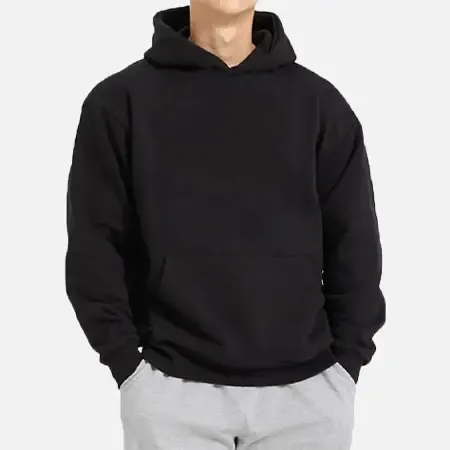
The perfect pullover hoodie is the one that fits you and your unique style. Fit is not one size fits all across different body shapes or genders, so you want a shape that sits well on your shoulders and skims your torso. A well-fitting zip hoodie pairs seamlessly with your go-to pants and shoes, making it a staple in your wardrobe. There’s just something about a hoodie style that fits just right; it conveys that you care about your appearance and understand current fashion trends. This is likely why custom-fit hoodies have seen an increase in demand of nearly 30 percent, as consumers seek out quality hoodies that are more personal and less generic.
To size your hoodie, measure your chest at the fullest point, your natural waist, and your sleeve length from the center of your back neck to your wrist. Match those numbers up to the brand’s chart instead of guessing small, medium, or large. As a quick checklist, the shoulder seams should sit at your shoulder edge, the cuffs should end at the wrist bone, the hem should hit around mid-hip, and the body should allow you to raise your arms without the fabric pulling tight across your back.
Classic Fit
Classic fit pullovers feature a traditional cut with a relaxed line through the chest and waist, so they don’t cling or billow. This shape wears great on a lot of different builds and ages, and it fits if you want a clean, simple look that you can wear for years to come without feeling out of style.
You can throw a timeless hoodie over a T-shirt or button-down, then throw a coat on top when it’s cold, which makes it a powerful work-from-home, errand, or travel staple. In a mid-weight cotton fleece, it’s warm for cool evenings but still easy to move around in.
Brands that focus on quality classics, such as Peter Manning hoodies and similar labels, often get the basics right: solid colors, sturdy rib cuffs, and hoods that sit flat instead of bunching up. A timeless hoodie in one color with matching pants can provide you a tonal look that is minimal without being too loud.
Slim Fit
Slim fit hoodies are snugger to your body through the chest, arms and waist. Not skin-tight, of course, but they track your lines a little closer, so they tend to look crisper and a little more contemporary.
If you prefer a sleek vibe for both casual and athleisure styles, a slim hoodie in a cotton blend or lighter french terry is the way to go, particularly for indoor use or mild, in-between seasons. Wear it with joggers, skinny jeans, or slim chinos and maintain that clean shape from top to bottom.
Outfits like this are great if you’re after a relaxed layer that doesn’t look completely lazy. Think of a dark slim hoodie teamed with tapered chinos and minimalist trainers for a smart sporty appearance. A lot of luxury and streetwear collections rely on slim fits because they look better in photos, stack well underneath jackets, and highlight the cut of the piece.
Oversized Fit
Oversized hoodies, a popular hoodie choice, offer you more space in the shoulders, chest, and sleeves, featuring a drop-shoulder cut and extended body for a casual, square silhouette. They are ideal if you like a relaxed vibe, appreciate added ease, or want to conceal layers underneath without feeling compressed.
You can wear an oversized hoodie as a top in mild weather, especially in heavyweight hoodies made from heavier fleece or brushed cotton that retains warmth and traps body heat. It can substitute for a light jacket in spring or fall when you don’t need something heavy and pairs nicely over a T-shirt and flannel or even a thin sweater.
For balance, pair with slim or straight bottoms so the fit isn’t bulky from head to toe. Teamed with skinny jeans, leggings, or slimline cargos, an oversized hoodie means the attention remains firmly on your hoodie style while still lending a bit of shape.
A tonal look, like a sand hoodie with pants of the same shade, can make an oversized piece look more purposeful and minimalist. If you like more edge, you can nudge it into streetwear territory with chunky sneakers and a cap or keep it simple with clean sneaks and a small crossbody bag for a breezy, everyday vibe.
Fabric matters here too: heavyweight hoodies build structure and warmth, while lighter French terry drapes more and feels cooler in warmer climates or busy indoor days.
How to Style Your Hoodie
Everything about styling a pullover hoodie begins with fit and fabric. The fit of your hoodie is absolutely key and will make or break the look. A clean, well-fitted hoodie pairs with chinos, jeans, or even a blazer, while one that’s too big in the wrong areas comes across as slovenly rather than casual.
Think about the season as well: light cotton for warm months, thicker fleece or brushed fabric for cold weather.
You can fold hoodies into many settings:
For casual days, wear a hoodie with straight jeans or chinos, canvas sneakers or casual boots, and a simple cap.
For sporty looks: graphic hoodie, culottes, Bermuda shorts, or cropped jeans.
For smart-casual: plain neutral hoodie, blazer, dark trousers, and minimal sneakers or loafers.
For cold climates: hoodie over a long-sleeve thermal and under a parka.
For neutral days, wear a monochrome hoodie and bottoms in greys, beige, or black.
You can adjust by age or lifestyle too:
Students: midweight hoodie, backpack, running shoes, relaxed jeans.
Working professionals: slim hoodie, unstructured blazer, tailored trousers, clean leather sneakers.
Parents on the go: a soft oversized hoodie, leggings or joggers, and supportive trainers.
Older adults: classic-fit hoodie, straight trousers, simple walking shoes, neat coat on top.
Layering
Layering lends your hoodie season-spanning versatility. You can layer a midweight hoodie under a wool coat or parka for real cold, with a long-sleeve thermal beneath the hoodie for added warmth and texture.
A lighter hoodie beneath a denim jacket or bomber is ideal for mild weather. As long as the hoodie is slim and plain, wearing one under a blazer can suit a creative office or casual evening dress code.
Go for lightweight hoodies, typically cotton or cotton-blend in the 250 to 300 grams per square meter range when you desire less bulk and freedom of movement. Thicker fleece works better when the hoodie is your primary outer layer.
Don a crew-neck tee or Oxford shirt beneath so you can unzip or remove the coat and still rock a head-to-toe look.
Hoodie under overcoat or trench for smart winter layers
Hoodie under denim or leather jacket for casual days
Hoodie under blazer with dark jeans for creative meetings
Hoodie over long‑sleeve thermal with parka for deep winter
Accessorizing
Accessories alter the way your hoodie reads. A beanie and scarf can nudge it toward cozy and winter-ready, while a crisp baseball cap and minimalist backpack keep it laid-back and functional.
For warmer days, a simple hoodie with a canvas tote or cross-body bag keeps things light and easy to move around in. To lift a basic hoodie, you can add one clear focal point: a leather cross-body bag, a metal watch, or bold earrings if that fits your style.
Hold the rest back so the look doesn’t get busy. If you wear oversized hoodies, a belt or fitted waistband on your trousers can help keep some shape and stop the outfit from swallowing your frame.
Embroidered hoodies and graphic hoodies already act as statement pieces, so pair them with quiet items like plain jeans, solid skirts, and neutral sneakers.
Footwear
Shoes for styling your hoodie need to go with both the hoodie and the goal of the outfit. For sporty ensembles, match your pullover hoodie with running shoes, trainers, or court-style sneakers.
These go perfectly with joggers, leggings, or the graphic-hoodie-plus-culottes and cropped-jeans pairings. For a tidier street style, pair leather or suede boots, loafers, or sleek low-profile sneakers with a clean, fitted hoodie and straight or tapered pants.
Slim hoodies like to sit with sleek shoes or lean sneakers, while oversized hoodies feel right at home with chunkier sneakers or sturdy boots that provide some visual weight down at your feet.
You can sort choices like this:
Classic fleece hoodie: canvas sneakers, trail shoes, or casual boots
Slim minimal hoodie: leather sneakers, loafers, Chelsea boots
Oversized street hoodie: chunky sneakers, combat or platform boots
Neutral monochrome hoodie outfit: matching or tonal sneakers or simple black boots.
Preserving Your Favorite Hoodie
Care habits determine how long your zip hoodies remain soft, warm, and sharp. Little decisions when you wash, dry, and put away your favorite hoodie type accumulate over months and years.
Washing
Wash your zip hoodie in cold water, approximately 20 to 30 degrees Celsius (68 to 86 degrees Fahrenheit). This method keeps the fiber structure tight, minimizing pilling and ensuring the surface stays smooth. Cold washes also slow color loss, which is vital for dark, bright, or printed fashion hoodies.
For the majority of us, washing after 4 to 6 wears is sufficient unless you’re a serious sweater or have a spillage. Flip your hoodie inside out prior to washing. This protects prints, flocking, chenille patches, and embroidery from rubbing on the drum and other garments.
Zippers, buttons, or rough seams on other clothing can scrape the exterior, so store your athletic hoodies with other similar soft items whenever possible. Use a gentle, liquid detergent, especially if your hoodie is made from premium cotton, organic blends, or brushed fleece. Harsh detergents or bleach will fade color and diminish the inside fuzziness.
If you choose to hand wash, soak the hoodie for 15 to 30 minutes, then rinse with cold or room temperature water until it runs clear, ensuring no detergent remains in the fibers. Avoid overcrowding the washer; when the drum is packed, hoodies get twisted and stretched, and the wet fabric weight tugs on seams and the hood.
Spot clean light stains with a damp cloth and some soap or vinegar rather than washing, so the fabric retains its loft longer.
Drying
Air drying is your safest bet. Lay the hoodie flat on a rack or clean towel to keep it from stretching, or hang it on a wide hanger so the shoulders don’t point or sag. Spread out the hood and pocket so they dry at the same rate as the body.
If you must use a dryer, bypass high heat. Cotton and blends can shrink, collars can curl, and prints can crack. Select “Air Fluff” or “Low Heat / Delicate” for 15 to 20 minutes to extract water and soften the fabric, then air-dry.
While the hoodie is still a little wet, form the cuffs, waistband, and hood by hand. Smooth out the ribbing, straighten out the side seams, and press the pocket flat. This quick lay-flat step dries your hoodie with nice clean lines and minimizes ironing and steaming.
Storing
Fold your hoodies, don’t hang them for the long term. A neat little pile, with the body folded into thirds and the hood folded flat over the front, prevents stretched-out shoulders and saggy hoods. Store heavier fleece at the bottom and lighter, thinner knits on top.
For off-season storage or a big collection, opt for breathable cotton or non-woven bags instead of sealed plastic. These provide air flow, which keeps musty odors and moisture from accumulating. If humidity is a problem, place a small unscented sachet or baking soda pack near it.
Keep hoodies out of the sun. Powerful, incessant light can bleach vivid hues and rich neutrals, even through a window. A closed wardrobe, drawer or shaded shelf will help keep black, navy, and red shades more even.
To free up closet room, file-fold hoodies in drawers, add shelf dividers, or store them in bins labeled by fabric weight or season. Think “lightweight spring” and “heavy winter.” That way, whenever you reach for an item, it is easy to grab the right piece and there is less constant shuffling, which can stretch cuffs and hems.
The Sustainable Hoodie Choice
Sustainable hoodies use fibers and dyes that cause less damage to the earth and the individuals who produce them. You care less about the trend cycle and more about what you wear one hundred times, for one hundred years. The rise of fashion hoodies reflects this commitment to sustainability.
You encounter a lot of organic cotton in eco-minded pullover hoodies, and it’s no wonder. Organic cotton avoids nearly all the bad pesticides, employs safer farming practices, and still feels soft and breathable on your skin. If you prefer that ‘traditional sweatshirt’ vibe, organic cotton fleece at about 280 to 320 grams per square meter provides you with good warmth without feeling too rigid. Choosing a quality hoodie made from organic materials can enhance your wardrobe.
Natural fibers such as organic cotton, hemp, and bamboo are great if you have sensitive skin since they are soft and breathable. Hemp adds great strength and ages beautifully, so a hemp-cotton blend hoodie can hang in your closet way longer than a nasty cheap fast-fashion piece. The durability of these materials makes them ideal for athletic hoodies as well.
You spot recycled polyester in a lot of sustainable hoodies. It’s made from recycled plastic bottles or garments and reduces waste while conserving the oil and gas it would take to produce new fiber. A 50/50 organic cotton and recycled polyester hoodie provides comfort, great shape retention, and less impact than a typical polyester fleece, making it a popular hoodie choice.
Others blend bamboo or hemp with recycled polyester to balance softness, stretch, and long wear. Bamboo is unique because it grows rapidly, requires a fraction of the water traditional crops do, and has natural odor-resistant properties, meaning a bamboo-blend hoodie can last longer between washes. This makes it a fantastic option for both casual wear and fitness apparel.
If you want to know who actually works hard, find brands that provide transparent information about their supply chain, factory audits, and wage practices. Some utilize fair-trade systems, low-impact or plant-based dyes and closed-loop water treatment. Third-party labels help you sort claims: organic standards for fiber farming, fair-trade marks for pay and worker rights, and textile safety labels that check for harmful chemicals.
They are not perfect, but they provide you a preliminary filter when you shop online or in-store. When you create a mini hoodie collection, consider it for the long haul. Go for mid-weight pieces you can layer most seasons, seams that feel solid, and rib cuffs that hold their shape. Investing in the right hoodie type can elevate your style and comfort.
One good sustainable hoodie you grab week after week beats three cheap ones in your drawer. Remember, the right hoodie can be both stylish and functional, making it an essential part of your wardrobe.
Conclusion
A quality pullover hoodie does real business in your life. It warms you, fits your frame, and suits your day. You now know the essential components, the primary materials, and the styles that resonate. You know easy ways to style it, wash it, and keep it out of the garbage heap a little longer.
Consider your next hoodie a mini boost to your everyday armor. Perhaps you opt for a heavy cotton fleece for those chilly evenings. Maybe you choose a lightweight blend for travel or the gym. Maybe you experiment with a recycled fabric to reduce waste.
Take what you learned here, trust your taste, and select a hoodie that deserves its place in your closet.
Frequently Asked Questions
What makes a pullover hoodie different from other hoodies?
A pullover hoodie, a popular hoodie style, has no front zipper and is pulled over the head. This design offers a sleeker profile, enhanced warmth, and ample chest space for branding or designs, making it perfect for layering under jackets.
Which fabric is best for a pullover hoodie?
If you’re looking for a popular hoodie for everyday wear, select a cotton or cotton-blend zip hoodie. It’s soft, breathable, and stands the test of time. For workouts, seek out athletic hoodies made from poly or performance blends. Cold weather? Choose heavyweight hoodies with heavier fleece or brushed interiors for that additional warmth and snuggle factor.
How should a pullover hoodie fit?
Your zip hoodie should feel loose yet not saggy. The shoulder seams should lay comfortably on your shoulders, while the sleeves of the hoodie type should finish at your wrist bone. The hem will ideally hit around your hips, allowing space to stretch and slip a T-shirt underneath.
How can you style a pullover hoodie for different occasions?
For lazy days, team your zip hoodies with jeans and sneakers. For a smart-casual vibe, wear a stylish hoodie underneath a structured coat. For workouts, pair athletic hoodies with performance joggers. Opt for neutrals for versatility and bold colors for a fashion statement.
How do you wash a hoodie without ruining it?
To maintain the quality of your zip hoodies, flip them inside out before washing. Use cold water on a gentle cycle with mild detergent, avoiding fabric softener to protect the fabric and print of your favorite hoodie style.
How can you make your hoodie last longer?
Just wash your fashion hoodies less and only when necessary. Keep away from high heat in the washer and dryer. Do not hang heavyweight hoodies by the hood; instead, fold them. Store in a dry location and consult the care label to avoid shrinking, fading, and pilling.
What should you look for in a sustainable pullover hoodie?
See if they offer organic cotton, recycled fibers, and certified materials in their athletic hoodies. Search for transparent details on factory environments and equitable pay. Opt for brands that transparently share their supply chain information. Quality, durable hoodies are more sustainable because you replace them less.