
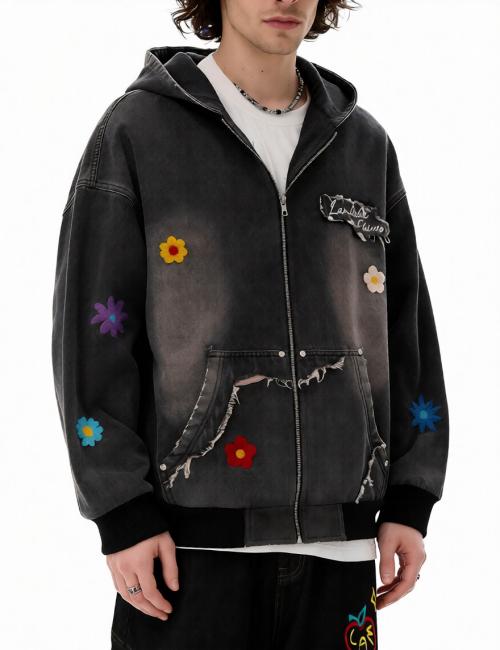
How long a hoodie should be is dependent on your height, shape, and intended wear. You want the hem to hit around mid-hip for everyday use, a little longer for layering, and shorter if you favor a cropped street swagger. Sleeve length, shoulder fit, and fabric weight factor in significantly. In the second half, you encounter explicit rules and quick fit-check mechanisms.
The Ideal Hoodie Length
The perfect length for your hoodie fit lies somewhere between your mid-zipper and the bottom of the fly, ensuring a comfortable fit that works on most frames and styles. This relaxed fit keeps the hem close to your hip bone, allowing space for layering a tee or thin sweater while remaining cozy without veering into a sloppy look. There’s enough room to slip in a base layer, lift your arms, or sit down without tugging or bunching. Size charts are essential here: for women, a medium hoodie typically translates to about 92–100 cm in the chest and 84–92 cm at the hip, while a small sweatshirt might correspond to a 31.5–34.5 inch chest, 23.5–26.5 inch waist, and 33–35.5 inch hip.
1. The Classic Fit
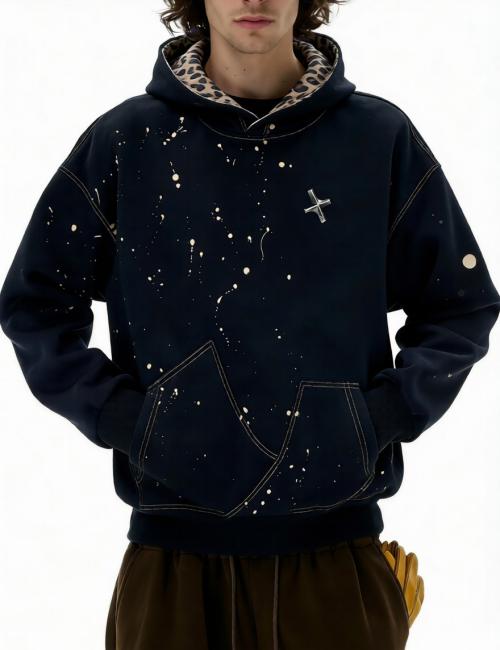
As shown in the first two images, imagine the hem of your hoodie falling right at or just below your belt line, roughly at the hip bone, for a classic fit hoodie. This length maintains a clean look, making it easy to style and in proportion whether you stand, walk, or sit. It should fall along your torso in a straight, natural line, avoiding a sloppy look while ensuring optimal comfort without clinging to your stomach or back.
Additionally, keep an eye on the shoulder seams; they should sit right at the end of your shoulder, not halfway down your arm. When you put it on, reach and lift your arms, then sit. If it tugs at your neck or rides high above your waistband, it indicates a wrong hoodie fit.
This design pairs perfectly with skinny jeans, loose-fitting sweatpants, or shorts. For an extra hint of slouch, sizing up typically brings in a comfortable fit without becoming overly oversized, particularly with different hoodie styles like pullover hoodies that already feel relaxed.
2. The Oversized Look
Oversized hoodies roll up the volume, you still want some moderation. A nice sweet spot is a hem that falls below your hips but halts short of mid-thigh, or barely around there at most. Brands typically add 2 to 3 inches in chest and shoulder width compared to a regular fit, so consult the size chart and compare it to your actual chest measurement.
That extra length and volume comes in handy for layering over long tees, sporty tops, or even a thin zip jacket! Pullover oversized pieces tend to look fluffier and more casual, while zip-up options can cinch and shape the body and divide up the volume when left open.
To maintain a clean, sharp look, balance out the longer hoodies with slimmer bottoms. Skinny or slim jeans, narrow joggers, or clean cargo pants prevent the look from engulfing your frame and maintain your silhouette.
3. The Cropped Style
Cropped hoodies swing the emphasis to your waist, creating a stylish garment that enhances your overall appearance. The hem typically finishes above your natural waist or just at the top of high-rise pants, skirts, or shorts, offering a modern take on the perfect hoodie fit. This shorter cut can feel light and works well if you want your legs to look longer while still enjoying optimal comfort.
You can lean into contrast by pairing a cropped hoodie with wide-leg pants or a full skirt. The mix of short tops with long bottoms defines a purposeful break in your outfit, showcasing different hoodie styles that elevate your wardrobe.
Cropped lengths layer nicely over longer tees or button-downs, allowing the under-layer to peek out for added depth without compromising the relaxed fit. This style adds diversity to a closet full of typical hip-length hoodies, making it a staple for any modern wardrobe.
4. The Layering Piece
If you intend to don a hoodie beneath outerwear, achieving the perfect hoodie fit becomes even more important. It should hem a little shorter than your coat or jacket to avoid sticking out awkwardly at the bottom. This typically translates to hip-bone length for the hoodie and a coat that is at least a couple centimeters longer. When layering your hoodie over shirts or long tees, a slightly longer cut provides more coverage and warmth, allowing for a relaxed look. You still want the hem between mid-zipper and fly, but you can slide a hair lower toward mid-thigh if you prefer a looser, stacked appearance.
Different hoodie styles can be worn in layers effectively. Pullover hoodies tend to hang more loosely, making them simpler to tuck beneath a larger coat. In contrast, zip-up hoodies fit more like a light jacket, allowing you to stay closer to your actual body measurements. Sample your normal size first, then twist, extend your arms, and take a seat. If you feel squeezed or if the hem jumps too high, opting for a size up will provide added comfort while maintaining a stylish appearance.
Ultimately, understanding the nuances of different fits is essential for a stylish wardrobe. The right balance between comfort and style is key, so always prioritize your personal preference when choosing a hoodie. Whether you go for a sporty golf hoodie or an oversized hoodie, ensure that it complements your overall appearance and fits well with the rest of your outfit.
How to Measure Hoodie?
To achieve the perfect hoodie fit, start by taking your body measurements with a soft, flexible tape measure while standing relaxed. This ensures you can compare your measurements against different hoodie styles in any brand’s size chart.
Stand straight, feet hip-width apart, shoulders relaxed
Use a flexible tape measure against light, fitted clothing
Tie the tape tight, but not too tight, and flat to the body.
Measure both sides when in doubt and use the larger.
Compare each result to the brand’s hoodie size guide
Note body length, chest, sleeve, and shoulder width first
Take down add-ons (hood, neck line, hem) if fit is really important.
Your Body
Begin at your chest. Encircle the tape around the fullest part, approximately 1 cm below your armpits, maintaining it at one level throughout. Exhale naturally, don’t puff up your chest and record that number as your chest circumference because most charts use it to direct hoodie length and ease.
Next, check your shoulder width. Measure straight across from one shoulder point to the other along the bone line, as if you were measuring seam to seam on a shirt. This informs you how the hoodie will fit on your body and how far down the torso the shoulder seam and sleeve will begin.
For arm length, measure from the tip of your shoulder, over your elbow, and down to your wrist bone. If you like to cuff or push your sleeves, add 1 to 2 cm for comfort.
Finally, circle the tape around your natural waist and once more at the widest point of your hips. These figures assist you in determining whether the hoodie hem will skim your hips, strike mid-zip, or flop longer while still not clinging.
Your Hoodie
To achieve the perfect hoodie fit, start by taking the hoodie you already love as a template. Lay it flat on a table, iron out wrinkles, and measure body length from the top of the shoulder, near the collar, straight down to the bottom hem. This “high point shoulder to hem” line is the key number when you inquire about how long your next hoodie should be.
Next, take a chest width measurement. Go 1cm below the armpit seam, and run the tape straight across from side to side. Double that for chest circumference. Then subtract it from your body chest and the brand chart to find out how much ease you revel in your best-fitting hoodie. This is essential for understanding the different hoodie styles available and how they cater to various comfort preferences.
Measure from shoulder seam down sleeve to end of cuff while keeping the arm straight. Add the shoulder width (seam to seam) to get a full sense of reach and comfort. Make sure you note the hem width by measuring across the bottom edge, side to side, so you know if it will sit loose on the hips or hug them a bit.
To get more specific, measure hood width by folding your hood in half and laying it flat, then running the tape from edge to edge. For neckline width, divide it in half at the shoulder seam and measure along the back neckline curve. These measurements, along with body length, chest, sleeve, and shoulders, contribute to the 17 key measurements that define a hoodie’s fit, form, and function.
Beyond Body Length
Hoodie length only works when other parts of the fit align. Consider the entire frame, not just one measurement.
Body length hits between mid-fly and upper hip for most people. Longer gives a streetwear edge, while shorter reads sharp and clean. Regular-length hoodies still layer perfectly with joggers, denim, or shorts, even if you go a little beyond traditional body length.
Chest needs ease for air and layering, not so much that the hoodie balloons and hides your shape.
Shoulders control how the fabric hangs. Clean seams provide a nice drop, while drop seams provide a looser, “borrowed” feel.
Sleeves set comfort when you move, reach, or push them up your forearms.
Fabric behavior: Cotton can still tighten a bit after the first wash, even on “pre-washed” labels, so ignore shrink at your own risk.
Style details: Drop shoulders, rib hem height, and side slits can all make a hoodie read more cropped or more oversized, even at the same body length.
Tolerance: a 1.25 cm (about 0.5 in) change in chest is usually fine. If any measure is off, you determine whether or not it’s a dealbreaker.
Style | Body Length Feel | Chest Ease | Shoulder Line |
|---|---|---|---|
Classic | Around mid-zip fly | Moderate | On natural shoulder |
Oversized | Below fly / mid-thigh | Generous | Drop shoulder |
Cropped | At or above high hip | Slim to normal | On or slight drop |
Never measure from a hoodie that’s been stretched out by years of abuse – it will fib about what ‘beyond body length’ actually equates to on you. A hoodie that runs longer or shorter can look awesome if chest, shoulders, and sleeves all support that decision.
Chest Width
To achieve the perfect hoodie fit, start by selecting a chest width that aligns with your fullest point, allowing just enough ease for a tee or light sweater underneath. The fit should caress your body without clinging or creating stiff folds. You want to easily zip or pull it on, avoiding any oversized hoodies that create giant air pockets at the side seam.
A hoodie that is too tight across the chest can restrict your arm movement, causing the zip to arc and making the hoodie ride up when you sit. This can disrupt the overall appearance, as a nice body length may feel off if the hem creeps higher with every move. If the chest measurement isn’t just right, the hoodie will flop back into place.
Be sure to check the brand’s size chart and compare it to a favorite hoodie that offers a comfortable fit. If your measurements fall between sizes, that slight wiggle room is normal, so choose based on how you plan to wear it: a tailored look for work or a relaxed fit for days off.
Shoulder Seams
Shoulder seams play a crucial role in achieving the perfect hoodie fit. When they align correctly with your natural shoulder point, the fabric drapes straight, ensuring the hood sits neatly. Even a slightly longer body can appear intentional rather than sloppy. This design allows the sleeves to angle down in a sleek line, helping the cuffs land in the ideal position at your wrists.
If the seams fall too far from your shoulders and you didn’t choose an oversized hoodie or drop-shoulder style intentionally, the entire hoodie may sag. This can lead to a twisted body and an uneven front-to-back length, creating an unflattering ‘hand-me-down’ look. While a drop-shoulder can provide a relaxed fit, it’s essential that the seams remain in the same place on both sides, avoiding any slipping down your biceps.
Always check seam placement as a quick quality assessment. If the seams appear uneven when draped over a hanger, it indicates poor cutting or sewing. With balanced shoulders, even a longer hoodie can maintain a refined silhouette, ensuring you achieve the right balance between comfort and style.
Sleeve Length
When choosing a hoodie, it’s essential to ensure that the sleeves hit just past your wrist bone, around the top of your hand when standing with arms down. This comfortable fit provides enough coverage for warmth while allowing you to check out a watch or shirt cuff if you layer. If you plan to wear thicker layers underneath, lift your arms and cross them to see if the sleeve still covers your wrist without pulling tight at the elbow, ensuring the right fit for your body measurements.
Excess fabric bunching at the cuff is a clear sign that the hoodie is either too large overall or designed with extra-length sleeves. While it may seem cozy, this can create a sloppy look when you try to push the sleeves up, disrupting the overall appearance. When cuffs sit cleanly, you retain that sharp dividing line, even if the hoodie features a relaxed fit.
Range of motion is crucial, so reach forward as if typing or driving. The hoodie should flow with you, not restrict your movements. If the sleeve rides up while your shoulders are jammed, the chest or shoulder fit is off, and body length won’t compensate. Good ribbed cuffs help maintain the shape and prevent the sleeves from crawling down your hand, ensuring optimal comfort throughout the day.
Length for Different Uses
The perfect hoodie fit works best when you match it to how you actually live: training, day-to-day errands, or city nights. Different hoodie styles demand minor adjustments in hem, fabric, and fit so you can move well and still feel comfortable.
Activewear
For training, you want the hem to hit a bit higher, about your hip bones, so it doesn’t snag on your shorts or ride up when you raise your arms. A comfortable fit hoodie sways as you do without tugging at your back or bunching at your waist, making it safer and less bothersome for runs, gym work, or outdoor sports. A half-inch difference in chest measurement is generally okay here, as long as you can twist and reach overhead without the fabric locking up, ensuring you have the right fit for your body measurements.
Choose lighter weights, such as lightweight organic cotton fleece or performance blends, that breathe and dry quickly. Thinner hoodies like half-zips adhere closer to the body, so they drape better under a run jacket or windbreaker, maintaining that nice, clean shape that complements different hoodie styles.
Pay attention to sleeves and hem. Cuffs should stay near your wrist when you punch forward, and the bottom should not roll or flip when you squat. You want to forget you’re wearing it during warm-ups and cool-downs, not wrassle with it every set, achieving that perfect hoodie fit for optimal comfort.
Casual Wear
For everyday wear, a more traditional length that achieves the perfect hoodie fit generally looks the most balanced on most bodies. It’s long enough to cover your waistband when you sit, but not so long that it swallows your frame. Pair this timeless piece with jeans, joggers, or shorts, and you’ve got a basic foundational outfit that functions in a variety of climates.
When it comes to different hoodie styles, pullovers, sans zip or placket, need to be roomy enough through the chest and shoulders to slip on over tees or thin shirts, making it easy to shed indoors. Neutral colors and minimal prints allow you to combine the same hoodie with different pants and shoes without overthinking your outfit choices.
If it’s cotton — remember, unwashed wonders can shrink up to roughly 5% in length. Even pre-washed options might tighten a touch after their initial hot wash and dry, so it’s wise to allow for a bit of length loss over time to maintain the right fit.
Streetwear
For streetwear, length is more of a style instrument than a guideline. A lot of people edge towards oversized or loose cuts that fall slightly below the hip, sometimes nearly to mid-thigh, which lend that free, casual silhouette you come across in so many contemporary ensembles. The trick is that your shoulder seam still lands exactly where you want it, even if your body runs long.
You can play with unique lengths and shapes here: drop shoulders, curved hems, or cropped hoodies that stop right at the waistband of wide-leg pants. Thinner hoodies and patch styles caress the body a bit more and play nice underneath oversized jackets, while boxy, heavy pieces shine as the finishing touch. A hoodie length can vary quite a bit by design, so play around with a couple different cuts and find the one that matches your typical pants and shoe length.
Streetwear layering adores contrast. For example, you could wear a slightly longer graphic hoodie over a plain tee that pokes out by 2 to 3 centimeters, then layer a shorter jacket on top so the hoodie hem is visible. Premium fabrics maintain their shape, so even when cotton shrinks a little with heat, the drape does not sag. There is not one “perfect” length, but a mix that suits your style and still has you striding, stalking, and gliding without a hassle.
The Unspoken Rules
You judge a hoodie in seconds: how it hangs, where it ends, and how it works with what you already wear. These tips assist you in selecting the perfect hoodie fit that flatters your body shape, fits your life, and still appears fresh a few years down the road.
Proportions Matter
Hoodies come in various lengths, and finding the perfect hoodie fit is essential. Most people look best with the hoodie finishing between mid-fly and the top of the thigh. At average height, that places the hem around the middle of your hand when your arms are at your side. For shorter individuals, a hoodie that hits closer to the hip bone helps avoid the appearance of legs being cut off. Conversely, taller wearers should opt for a longer hem that covers the fly without extending to the entire thigh, maintaining a balanced silhouette so the torso doesn’t seem too short.
When the length is incorrect, a hoodie can ride up during movement, revealing a strip of T-shirt or skin that disrupts the overall appearance. If it’s too long, it may resemble a borrowed piece from a larger friend. In both cases, the wrong hoodie fit can make your body line appear shorter and stockier than it truly is. This is why even a stylish hoodie can seem off when the length is not right.
Cropped hoodies pair best with high-waist jeans or tailored joggers, while longer, parka-length styles work well with slim or straight pants to avoid excess bulk. When experimenting with different hoodie styles—boxy, relaxed, or slightly oversized—remember to apply the same rule: shorter hoodies with higher waists and longer ones with cleaner, closer legs to achieve optimal comfort and style.
Fabric’s Role
Mid-weight cotton fleece (around 300 g/m²) is suitable for everyday wear and holds its shape fairly well.
Heavyweight organic cotton (350 to 450 g/m²) is more structured and can keep length and fit for many years.
Cotton–poly blends are lighter and faster drying, but they can pill or thin sooner.
Technical knits with elastane are great for sport. They provide more stretch and may lose snap with heavy wash cycles.
Fabric weight significantly influences the perfect hoodie fit, altering the length a hoodie appears on you. A weighty organic cotton hoodie drapes straighter, skimming the body so the hem falls clean and sharp. Even a light fleece may puff out, making the same length feel boxy or sloppy. This is one reason why a quality hoodie often looks ‘right’ even in a basic cut — the drape is more noticeable than the style itself. Over time, you can see the quality in how the fabric ages. In contrast, cheap fleece tends to pill at the sides and under the arms within a year, with twisted side seams or bagged cuffs indicating that the knit and stitching were never designed for prolonged wear.
If you wear one hoodie three days a week, a mid-tier piece typically lasts about 2 to 4 years before the fabric goes thin, the color dulls, and the length feels limp from repeated washing. However, a nice heavyweight hoodie can maintain its color, shape, and hem for 5 to 8 years with proper care, such as line drying and gentle cycles. Washing inside out, in cold water, and avoiding high heat in the dryer not only reduces shrinking but also helps keep the hem where you liked it during your first fit hoodie experience.
Trend Influence
Trends determine how long you want to wear a hoodie, not how long it can survive in your closet. Oversized hoodies, cropped lengths, or longline street styles can all look great at the moment, but the more extreme the length, the faster it risks becoming dated. A hoodie can last ten years on a hanger, but if the hem falls at mid-thigh with enormous sleeves, you’ll get bored of it well before the fabric gives in. That is why a lot of premium menswear brands place their money in small details rather than wild cuts: clean ribbing that does not stretch out, tight cuffs that keep shape, seams that stay straight, and a hood that sits flat on your back instead of dragging the whole piece down, ensuring a comfortable fit.
You can still toy with trends without trapping yourself into a brief career. If you like crop styles, pick one that kisses the top of high-waist pants instead of sitting way above the navel, so it still kicks when silhouettes shift. If you prefer the oversized look, go a size up, not three. This way, you maintain comfort and drape, while your hoodie still achieves that perfect hoodie fit around the mid-fly to upper-thigh zone that works every season. Add personality with prints, understated graphics, or designer trims, as those age better than a crazy cut.
Think of these unspoken rules as your baseline: once the length works with your height, your pants, and your daily use, you can tweak the style as you like. When you maintain scale, material, and trend factor in balance, you end up with stylish hoodies you grab time and again, ensuring they fit seamlessly into your wardrobe and are worn well beyond one season.
Common Fit Problems
Consider this your fast troubleshooting guide when a hoodie feels off. Use it as a checklist:
Hem: Does it cover your waistband when you stand, sit, and lift your arms?
Sleeves: Do cuffs meet your wrist bone without pulling or pooling?
Does the fabric skim your frame without cling or balloon?
Shoulders: Do seams sit close to the edge of your shoulders, not on your upper arm or neck?
Bad fit is more than just ugly. It causes you to tug and adjust and feel exposed, which erodes comfort and confidence. Size charts and garment measurements help you bypass the guesswork, particularly if you’re on the taller side with longer than average arms.
Too Short
A hoodie’s too short when the hem floats above your waistband whenever you shift your position. This becomes especially noticeable when you lift your arms, grab a bag, or sit down, causing the material to ride up and display your midsection. Tall men know this well: the constant struggle to pull the hoodie down leads to feeling exposed at the back, creating a gap between the hoodie and pants. To achieve the perfect hoodie fit, it’s essential to consider the right length and style.
A cropped hoodie can restrict your layering options and may cut your body at an awkward point, affecting your overall appearance. It can make your legs look uncharacteristically long, even if your body is generally well-proportioned. For tall guys, it’s usually not about width; you typically require 2 to 4 cm more length in the body rather than extra fabric around the chest. Understanding your body measurements is crucial for selecting the right fit.
Utilize brand size guides and the ‘waistband test’ to ensure a comfortable fit. When standing straight, the hem should kiss or just cover your waistband and maintain this fit when you lift your arms slightly. If you’re tall, look for tall-specific cuts or compare the listed back length in centimeters. Swap out any hoodie that rides up for styles that provide consistent coverage and a sleek silhouette.
Too Long
When a hoodie falls way below your hips into mid-thigh, it can swamp your frame, leading to an unflattering look. On a shorter or average-height frame, that additional length can make your legs appear stumpy, creating a cumbersome overall appearance, regardless of how light the material might be. Movement suffers as well; long fronts bunch when you sit, and long backs drag or catch on chairs and bags, disrupting your comfort.
Many tall guys struggle with the sizing of hoodies. They often size up for length, but then the chest, waist, and shoulders become excessively loose. This shortcut provides a longer silhouette but adds unnecessary bulk, resulting in a sloppy look rather than a sleek silhouette. What you actually need is a perfect hoodie fit that offers more length while maintaining a snug fit in width, avoiding the leap in every measurement that the next full size brings.
Aim for a hem that hits at the top or middle of your hips, perhaps a few centimeters lower for a relaxed fit. If every hoodie in your usual size feels long, consider switching to different hoodie styles: cropped or “regular length” cuts instead of longline fits. Small changes in cut can fix more than a size jump in the dark.
Unbalanced Fit
Unbalanced fit manifests when one piece looks correct and another looks incorrect. Ever heard of ‘common fit problems’? You know, like a wide, boxy body with short sleeves or a narrow body with sleeves that drown your hands. The eye picks up these subtle misfits quickly, and the hoodie starts to look like an arbitrary choice, even if the color and fabric are just right. To achieve the perfect hoodie fit, consider how different hoodie styles can affect your overall appearance.
As a tall guy, missing sleeve grading is a constant battle. You may notice a great body length, but the sleeves end well short of your wrist, so you continue pulling them down. To solve this, you typically size up, get longer sleeves, then suffer the consequences in additional chest width and a drooping shoulder line. The result is that oh-so-familiar oversized hoodie look, which is often associated with a sloppy appearance.
Look at the main points together: body length, chest width, sleeve length, and shoulder seams. Sleeves that hit your wrist bone without tugging, shoulders that sit on the edge of your shoulders, and the body falling clean with no side bulges. For tall frames, a good hoodie gives clean vertical lines, some shoulder structure, gentle taper through the arms, and a long look with no puff or folds, achieving that ideal relaxed fit.
Check garment measurements when you can, not just ‘S/M/L’. Compare the sleeve length, back length, and chest width to a hoodie you like on your body. That little bit of calculation is what aids you in transitioning from “good enough” to a sweatshirt that feels like it was constructed for you, ensuring you find the right balance between comfort and style.
Conclusion
Hoodie length may sound minor, but it defines how you look and feel throughout the day. A hem that hits mid-zip on your jeans gives a clean, easy line. A longer cut falls nearer the low hip, providing more coverage and warmth. A short cut can frame your waist and make it more shapely.
How long your hoodie should be depends on your height, your build, and your intentions. Gym day, long flight, night out, lazy Sunday. Each can demand a marginally new cut. After a while, you begin to notice what’s ‘off’ at a glance.
Use that. Try out a few lengths. See how you move, sit, and stand in each. Then choose the size that supports your day, not resists it.
Frequently Asked Questions
How long should a hoodie be for the best fit?
Your hoodie should ideally achieve the perfect hoodie fit, stopping around mid-zipper of your pants or just below your belt line. This length ensures it covers your waistband while maintaining proportions, avoiding a sloppy look and providing a relaxed fit.
How do I measure the right hoodie length on my body?
To achieve the perfect hoodie fit, stand up straight and measure from the top of your shoulder, by your neck, down to where you would like the hoodie to end. Then, compare that number to the brand’s size chart for different hoodie styles.
Should hoodie length change with my body type?
Yes. If you’re taller, you typically need a longer hoodie for the perfect hoodie fit, ensuring it doesn’t appear cropped. Conversely, if you’re shorter, avoid super long hoodies that drape over your thighs to maintain a balanced overall appearance.
What hoodie length is best for working out?
For training and gym wear, choose a hoodie that provides the perfect fit, finishing just below your waistband for optimal comfort. Avoid extra-long styles that can snag on apparatus or restrict movement, ensuring a relaxed fit for workouts.
What hoodie length works best for layering with jackets?
For clean layering, achieving the perfect hoodie fit is essential; your hoodie hem should be equal to or just a bit shorter than your jacket hem to prevent a sloppy look. If you’re into streetwear styles, an oversized hoodie 2 to 3 centimeters longer than the jacket works.
How long should sleeves be on a well-fitting hoodie?
Sleeves should wrap up right at your wrist bone, where your hand starts, achieving the perfect hoodie fit. The cuffs should gently kiss the top of your thumb as your arms dangle loose; otherwise, the sleeves may create a sloppy look if they stack heavily.
What if my hoodie feels too long but fits well elsewhere?
If length is your only problem with the hoodie fit, a tailor can shorten the hem. Most knit hoodies can be modified without affecting the shape, making it easy to achieve the perfect hoodie fit while keeping the chest, shoulders, and sleeves you love.