
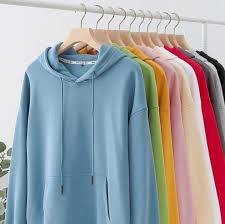
TL;DR: The hoodies people are actually buying and resoldering in 2025–2026 come from Fear of God Essentials, Supreme, Nike Tech Fleece, and Stüssy, with Balenciaga and Off-White holding the high end. The mid-weight basic is dying. Buyers want either a heavy 400+ GSM cotton brick or an engineered cotton-poly blend with real drape.
1. How We Ranked the World’s Top Hoodie Brands
We weighted three things: global search volume, resale market activity, and cultural relevance. We cross-referenced 2026 StockX trade volume data, Lyst Index quarterly heat rankings, and actual manufacturer spec sheets where we could get them. Where a brand wouldn’t publish GSM, we weighed garments on a kitchen scale and did the math against pattern square meterage. Crude, but it works.
The modern buyer expects fabric transparency. If you’re charging $150 for a blank, you should be able to tell me whether it’s 320 or 430 GSM, what mill spun the yarn, and whether the cotton is ringspun. Most brands still can’t.
Scoring Criteria Table
| Criteria | Weight | Measurement Method |
|---|---|---|
| Search Volume | 30% | Google Trends & Lyst Index rankings (Q4 2025/Q1 2026) |
| Resale Demand | 25% | StockX and GOAT average sales volume |
| Construction | 20% | GSM weight, stitching, and fabric blend quality |
| Cultural Impact | 15% | Celebrity adoption and runway presence |
| Value Ratio | 10% | Retail price compared to physical longevity |
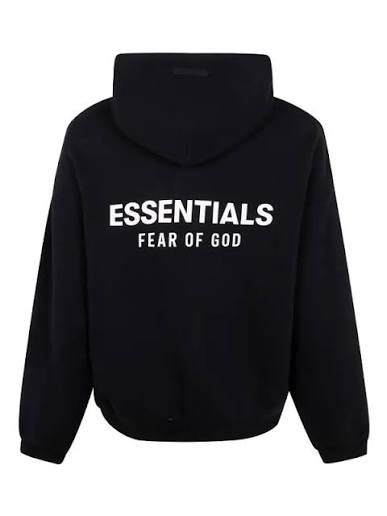
2. Fear of God Essentials — The Quiet Giant of Modern Streetwear
Fear of God Essentials is Jerry Lorenzo’s entry-luxury diffusion line, known for flat-knit, monochromatic basics. It tops list after list in 2025 and 2026 because it did something nobody else managed: it normalized the $100+ blank hoodie.
The mainline Fear of God label plays full high fashion. Essentials zeros in on slouchy, drop-shoulder silhouettes in beige, bone, taupe, and a handful of safe darks. The FW25 Classic Zip-Up runs on a 380 GSM core fleece, which is right in the sweet spot, heavy enough to drape properly but not so dense it feels like a moving blanket. Retail sits between $90 and $130. The fit runs deliberately oversized, so most buyers size down one. Essentials is the bridge piece between streetwear and minimalist luxury, and that’s exactly the lane the rest of the market spent four years failing to occupy.
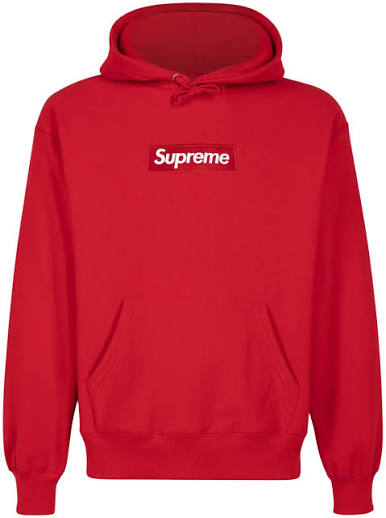
3. Supreme — The Drop That Defined a Generation
Supreme is the New York skate brand founded in 1994, recognized globally for its cross-grain Box Logo hoodies. VF Corporation acquired it in 2020 for $2.1 billion.
By July 2024, EssilorLuxottica picked it up from VF for $1.5 billion in cash — a $600 million valuation haircut in four years. Despite the corporate musical chairs, the Box Logo still moves. Resale multipliers aren’t where they were in 2018, when a single hoodie could clear 10x on a quiet Thursday, but the floor under Box Logos hasn’t collapsed either. The scarcity engine still works. Supreme leans on its collaboration calendar harder than ever to stay ahead of brands that didn’t exist five years ago.
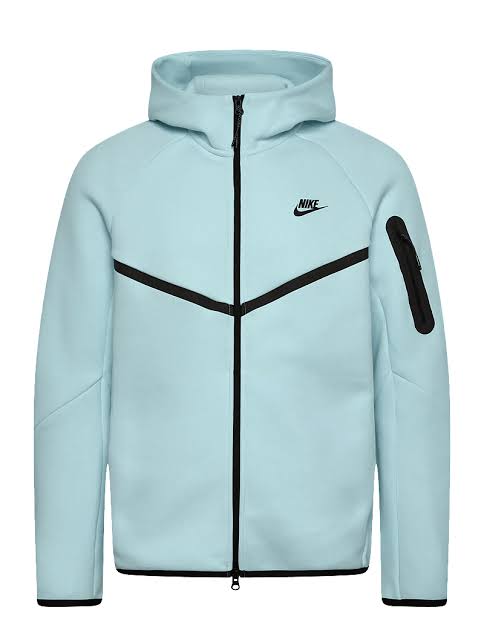
4. Nike Tech Fleece — Performance Hoodie Domination
Nike Tech Fleece launched in 2013 and pulled the athletic hoodie completely out of the heavy cotton conversation. For 2026, Nike re-engineered the platform — fabric blend, cut, the works.
Gone are the stiff, mostly synthetic earlier generations. The 2026 model uses a 53% cotton, 47% polyester blend, which sounds boring on paper and feels noticeably better in person. The higher cotton ratio softens the hand against skin while the poly handles the thermal layering that made the line famous.
Tech Fleece Specifications:
- 53% Cotton / 47% Polyester
- Midweight thermal insulation, low bulk
- Ergonomic cut with articulated sleeves and dropped shoulders
- Around $130–$140 retail

5. Stüssy — The OG That Refuses to Age
Shawn Stussy started the brand in 1980. Forty-plus years in, it still commands Gen Z respect, mostly through tight collaboration discipline and the Chapter store system, which keeps regional drops feeling like events.
The material conversation around Stüssy is messier. Standard zip-ups retail near $150 and contain 36% polyester, which the cotton purists on r/stussy will not let go. Fair enough. But the pigment-dyed and chapter-exclusive hoodies run 100% cotton at 430 to 495 GSM, which is genuinely heavy fleece, the kind that holds a crease when you fold it. The brand has been quietly moving away from the loud 8-ball era toward serious textile work. Sizing between the Asia and US production runs still doesn’t match, which has been an open complaint for years and nobody at Stüssy seems in a rush to fix.
6. Carhartt WIP — Workwear’s Crossover Into High Fashion
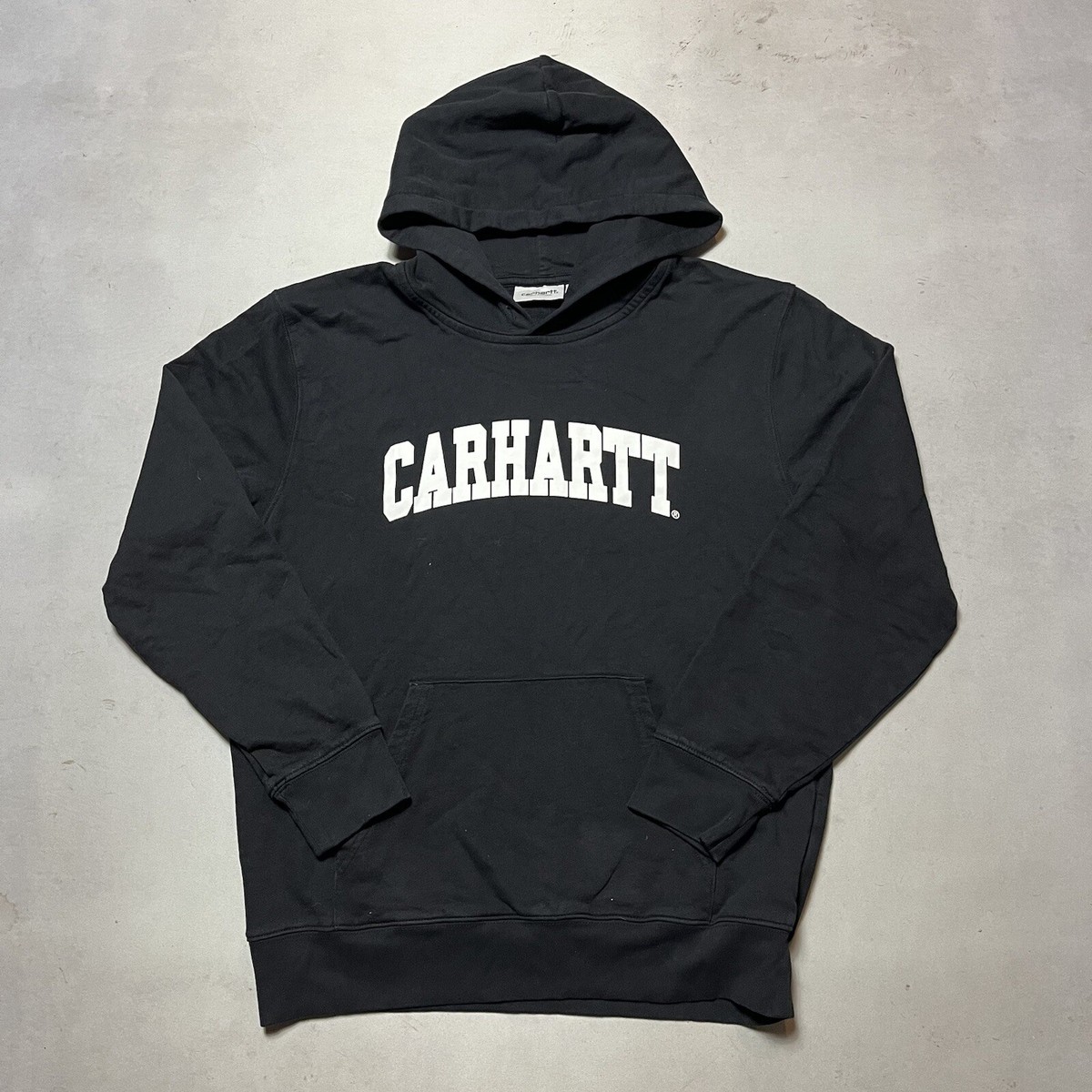
Carhartt WIP (Work in Progress) is the European fashion arm of the historic American workwear brand. Mainline Carhartt clothes job sites; WIP refines those silhouettes for urban retail at a higher price point.
The Hooded Chase Sweatshirt uses a 13-ounce brushed fleece, roughly 440 GSM, in a 58% cotton, 42% polyester blend. Retail holds between $95 and $120. WIP gives you more structural durability per dollar than almost anything in the hype tier — raglan sleeves, dense rib-knit cuffs, the kind of construction that survives a few years of daily rotation without the cuffs blowing out. Obviously the loopwheeled purists will still tell you it’s not real Carhartt, and they’re not entirely wrong.
7. Balenciaga — When Hoodies Cost $1,200
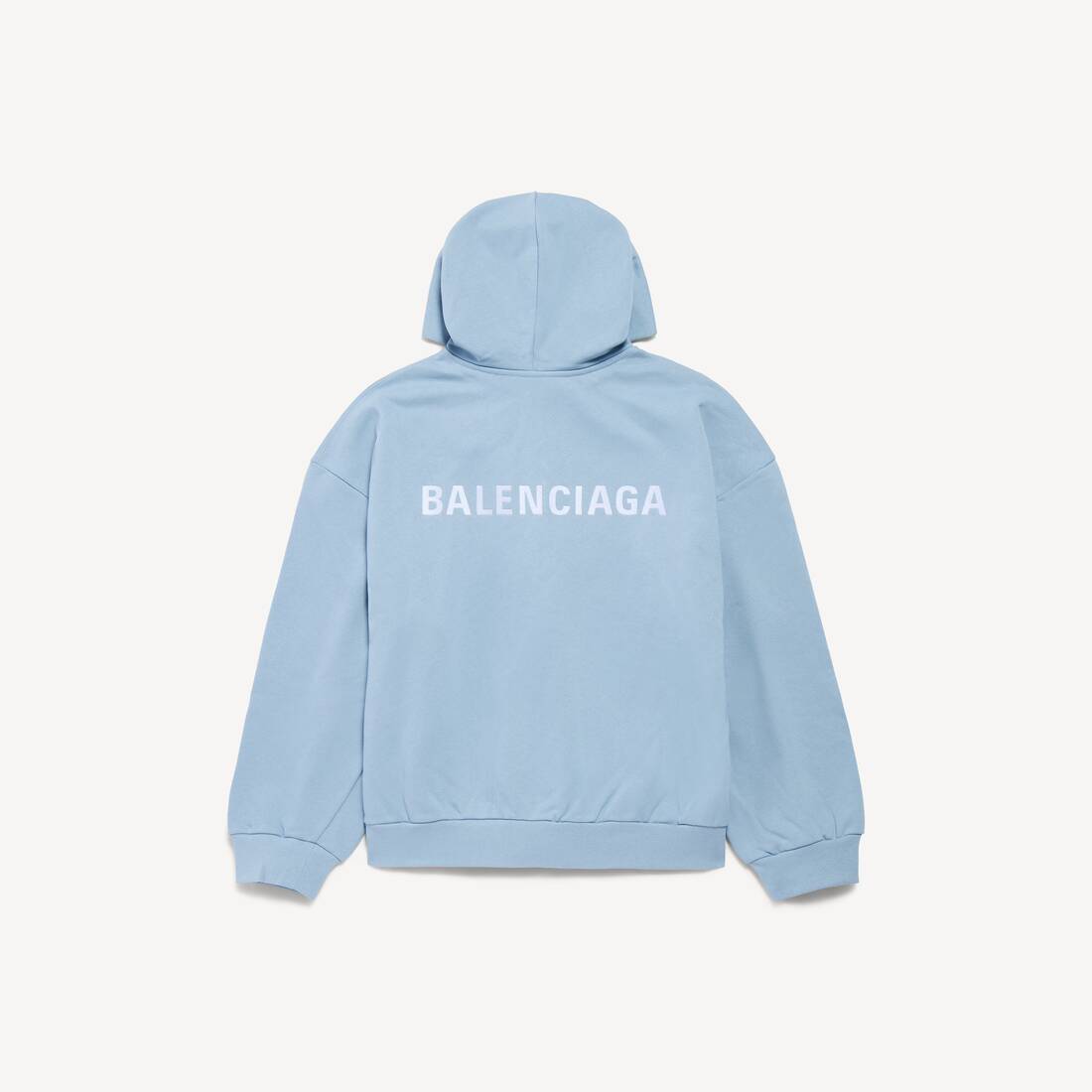
Balenciaga defines the luxury hoodie tier. Under Demna’s creative direction, the house dragged oversized, distressed silhouettes out of the underground and onto the runway, then charged accordingly.
Pricing is exactly what you’d expect. The 2026 Care Label Medium Fit Hoodie starts at $1,189 and the catalog climbs past $2,000 without much trouble. Demna’s Resort 2026 “Final Chapter” collection was an archival victory lap, remixing pieces from 35 of his past Balenciaga collections in a single show. Counterfeit volume on this brand outpaces anything else on this list, and the gap between a real Balenciaga hoodie and a $40 replica is, structurally speaking, smaller than the resale market wants you to know.
8. Champion — Heritage Reverse Weave That Won’t Die
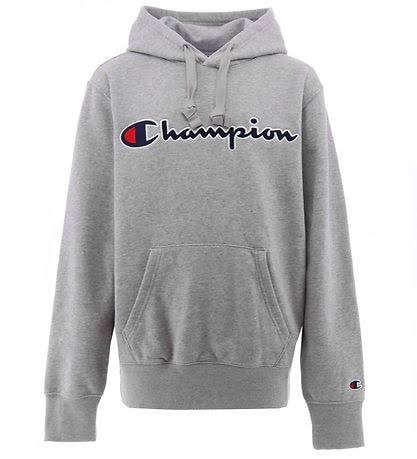
Champion introduced Reverse Weave construction more than 80 years ago. Cutting the fabric on the cross-grain physically resists vertical shrinkage. It’s a simple idea and it still works.
A standard S101 Reverse Weave runs a 12-ounce fleece, 400 GSM, in an 82% cotton, 18% polyester blend on the solid colors. Retail sits at $60 to $70. Per dollar of verifiable material weight, nothing else on this list comes close. The pattern hasn’t changed meaningfully in decades and that’s the point.
9. The Off-White, Palm Angels, Rhude Tier — Luxury Streetwear
This is the $400–$900 range, where the buyer is paying for aggressive branding and heavy hardware.
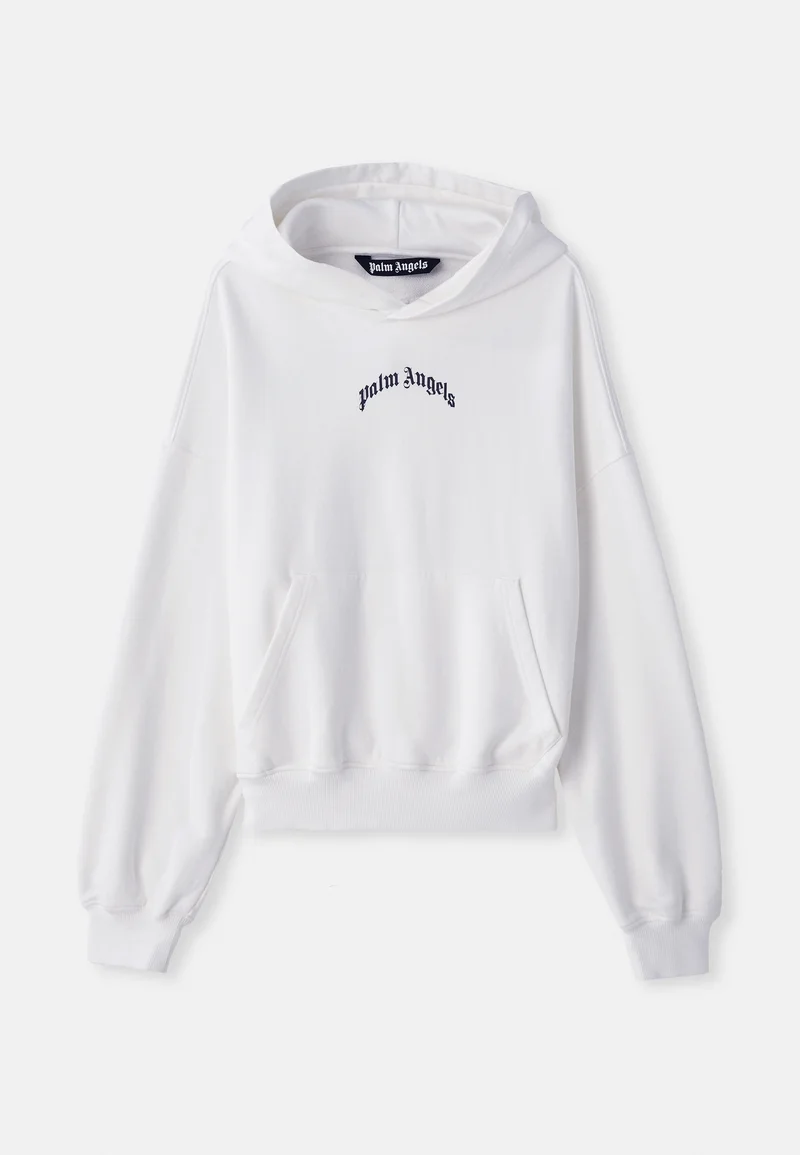
Off-White operates under Ib Kamara now, following Virgil Abloh’s passing. Kamara’s AW26 “Mr. Davis” collection leaned hard into punctured sphere motifs and graphic zip-ups. Francesco Ragazzi runs Palm Angels on heavy gothic text and track-tape detailing. Rhuigi Villaseñor positions Rhude as the washed-California cousin of the group, slightly more vintage, slightly less try-hard.
Luxury Streetwear Comparison
| Brand | Founder/Director | Signature Detail | Price Range |
|---|---|---|---|
| Off-White | Ib Kamara (CD) | Diagonals, zip-ties, punctured spheres | $600 – $1,100 |
| Palm Angels | Francesco Ragazzi | Gothic text, track tape | $400 – $700 |
| Rhude | Rhuigi Villaseñor | Washed treatments, dropped shoulders | $500 – $900 |
10. Honorable Mentions — Brands Closing In
A few smaller and regional labels are pushing hard at the top 10 by mastering scarcity.
Corteiz, the London brand with the Alcatraz logo, causes actual retail riots. The Island Puff Print zip hoodies sit around £120 and sell out in minutes. Aimé Leon Dore owns the preppy-streetwear overlap, Represent keeps growing out of the UK, and ERL handles the California sun-faded niche. Of all of them, Corteiz has the cultural momentum to become the next Essentials, assuming Clint can scale without sanding off the edges that made the brand work in the first place.
11. How to Choose a Hoodie Brand for Your Style and Budget
Match the fabric to the use case. If you want daily durability, ignore prints and buy 400+ GSM weights, which means Champion or Carhartt WIP. If you want comfort for a long flight or a slow Sunday, the Tech Fleece blend has more give. If you want to spend $1,200, you already know who you are.
Decision Matrix
| Budget | Style Goal | Recommended Brand | Fit Expectation |
|---|---|---|---|
| $60 – $80 | Heritage Basic | Champion | True to size, boxy |
| $90 – $130 | Modern Minimal | Essentials | Heavily oversized |
| $100 – $130 | Durable Workwear | Carhartt WIP | Regular, stiff until washed |
| $130 – $150 | Athletic Tech | Nike Tech Fleece | Slim / Articulated |
| $150+ | Cult Streetwear | Stüssy / Corteiz | Regular to relaxed |
| $1,000+ | Luxury Status | Balenciaga | Extreme oversized |
FAQ
What is the most popular hoodie brand in the world right now?
Fear of God Essentials. The $100 price point and entry-luxury positioning hit a gap that mall brands and high fashion both ignored for years. The 380 GSM fleece doesn’t hurt either.
Why are Essentials hoodies so popular?
They translate a luxury silhouette into a mass-market price. Jerry Lorenzo built the cut to echo high-end drop-shoulder pieces and stuck to neutral earth tones, which means the average buyer can pull off a curated look without the $800 ticket. That’s it. That’s the whole formula. The reason it took so long for anyone to do it well is a separate conversation involving manufacturing minimums, cotton sourcing, and the willingness to release the same four colors for six straight seasons without losing your nerve.
Are luxury hoodies like Balenciaga worth the price?
Structurally, no cotton garment justifies $1,200 to produce. You’re paying for Demna’s cut, the status signal, and resale-market relevance.
Which hoodie brand has the best quality for the price?
Champion Reverse Weave, still. At $60–$70 you get a 400 GSM cross-grain fleece that outlasts hype hoodies priced at triple the cost.